Organic SEO vs Paid Ads Which Strategy Improves Website Ranking Best
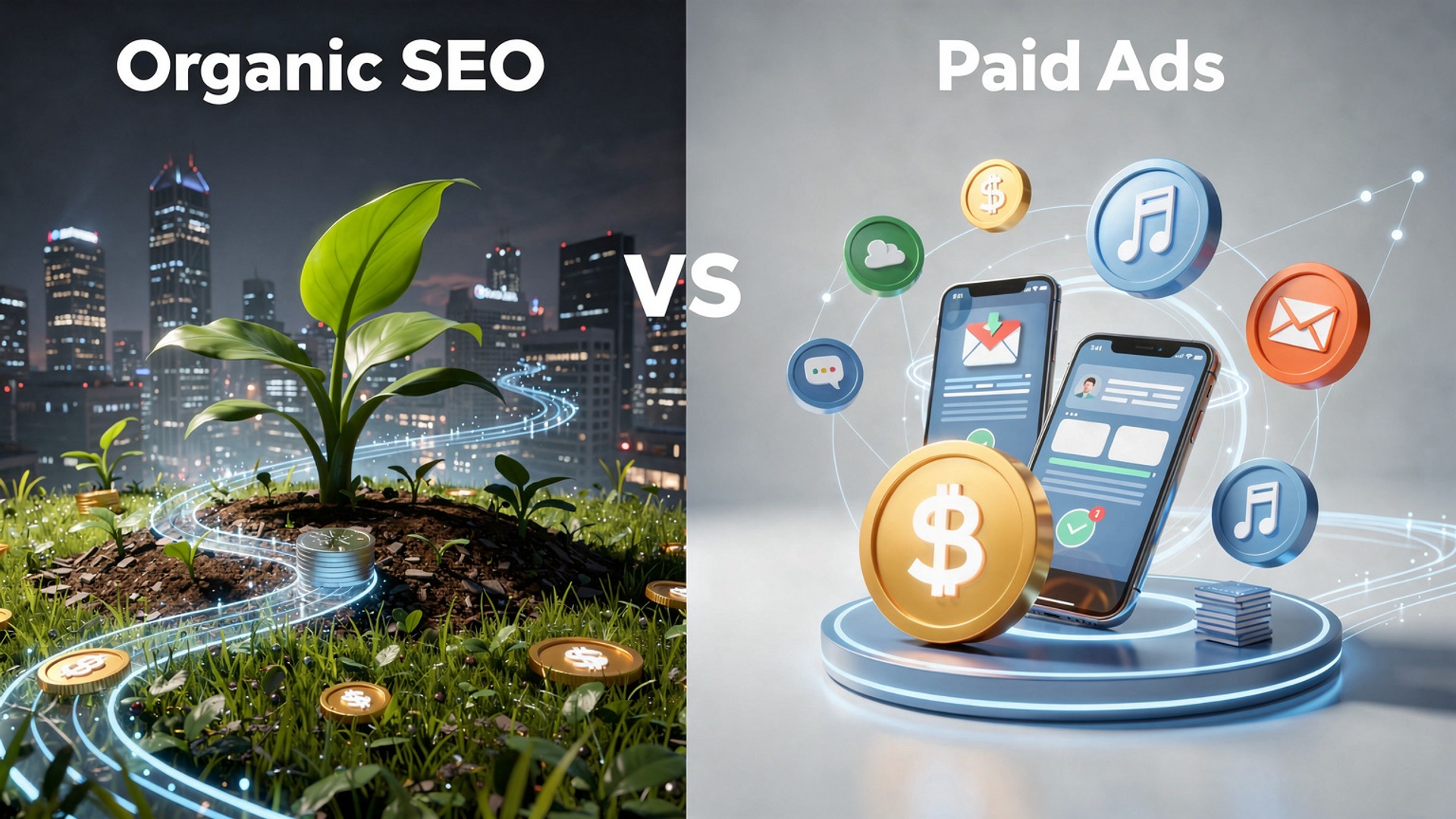
In the ever-evolving digital landscape, businesses continuously seek methods to improve website ranking and attract their target audience effectively. Organic SEO, with its focus on optimizing content for long-term search visibility, contrasts sharply with paid ads, which promise instant exposure through targeted campaigns. Recent trends highlight how search engines like Google prioritize user intent and high-quality content, making SEO essential for sustainable growth. Simultaneously, paid advertising innovations, such as AI-driven ad targeting, allow brands to cut through the noise in competitive markets. For example, while a carefully crafted blog post can steadily climb rankings over months, a strategic PPC campaign can generate immediate traffic during a product launch. Understanding the interplay between these strategies is critical as businesses aim to balance cost, speed and long-term impact in their efforts to dominate search engine results pages and achieve measurable results.
What is Organic SEO?
Organic SEO (Search Engine Optimization) refers to the process of optimizing a website to rank higher on search engine results pages (SERPs) naturally, without paying for ads. This strategy focuses on improving a site’s visibility by aligning with search engine algorithms and providing value to users. Organic SEO involves a variety of techniques, including keyword optimization, creating high-quality content, building backlinks. improving website performance.
Key Elements of Organic SEO
- Keyword Research
- Identifying and targeting relevant keywords that users search for to improve website ranking.
- On-Page SEO
- Optimizing elements like meta tags, headings, URL structure. internal linking.
- Content Creation
- Publishing original, valuable. engaging content that addresses users’ needs.
- Technical SEO
- Ensuring that the website is fast, mobile-friendly. free of technical errors.
- Backlinks
- Building high-quality links from authoritative websites to establish credibility.
Advantages of Organic SEO
- Long-Term Results
- Once established, organic rankings often maintain themselves with regular updates and improvements.
- Cost-Effective
- Unlike paid ads, organic SEO doesn’t require ongoing payments to maintain visibility.
- Trust and Credibility
- Users tend to trust organic results more than paid advertisements.
- Improves Website Ranking
- A strong organic SEO strategy helps your site rank higher for relevant keywords over time.
What Are Paid Ads?
Paid ads, commonly referred to as Pay-Per-Click (PPC) advertising, involve paying to display your website at the top of search engine results or on other platforms. These ads are typically marked as “sponsored” and are powered by platforms like Google Ads or Bing Ads. Paid advertising ensures immediate visibility, driving traffic to your website for a set budget.
Key Elements of Paid Ads
- Keyword Targeting
- Bidding on specific keywords to appear for relevant searches.
- Ad Copy
- Writing compelling ad text to encourage users to click.
- Landing Pages
- Creating optimized pages that deliver on user expectations after they click the ad.
- Budget Management
- Setting a daily or campaign-specific budget to control ad spend.
- Analytics
- Monitoring campaign performance using tools like Google Analytics or the platform’s own insights.
Advantages of Paid Ads
- Immediate Results
- Paid ads provide instant visibility and traffic as soon as the campaign goes live.
- Targeted Reach
- Allows you to reach specific demographics, locations, or user behaviors.
- Scalability
- Easily increase budget or expand campaigns to capture more traffic.
- Measurable ROI
- Clear metrics make it easy to interpret the return on investment of your campaigns.
Organic SEO vs Paid Ads: A Detailed Comparison
| Aspect | Organic SEO | Paid Ads |
|---|---|---|
| Time to See Results | Months; requires consistent effort and patience. | Immediate results once the campaign is live. |
| Cost | Low cost but requires investment in tools and expertise. | High cost; based on cost-per-click and campaign budgets. |
| Longevity | Long-term impact; results last even after efforts are paused. | Short-term; results stop once the budget runs out. |
| Credibility | Users trust organic results more. | Perceived as ads; may be ignored by some users. |
| Control | Limited control over search engine algorithm updates. | Full control over targeting, budget. campaign settings. |
Real-World Applications of Organic SEO
Many businesses have built their online presence through organic SEO without relying heavily on paid advertisements. For example, a local bakery might use targeted keywords like “best cupcakes near me” and optimize their Google My Business profile to attract organic traffic. Over time, their blog posts about unique recipes and baking tips could also draw traffic.
Real-World Applications of Paid Ads
Paid ads work exceptionally well for time-sensitive campaigns or product launches. For instance, an e-commerce store running a Black Friday sale can use Google Ads to bid on high-intent keywords like “best Black Friday deals” and drive immediate traffic to their site. Retargeting ads can also bring back users who visited the site but didn’t make a purchase.
When to Use Organic SEO
- If you’re building a long-term strategy for brand visibility and credibility.
- If you aim to improve website ranking for multiple keywords consistently.
- If your budget is limited and you’re willing to invest time and effort.
When to Use Paid Ads
- If you need fast results, such as during a product launch or sale.
- If targeting a highly specific audience is crucial to your campaign.
- If your website is new and hasn’t yet built organic ranking authority.
Conclusion
Organic SEO and paid ads offer unique approaches to improving website rankings. the optimal strategy depends on your goals, resources. timeline. Organic SEO thrives on creating value through high-quality content, strategic keyword usage. building authority over time. It’s a sustainable method that aligns with Google’s evolving algorithms, such as the recent emphasis on E-A-T (Expertise, Authoritativeness. Trustworthiness). Paid ads, on the other hand, deliver immediate visibility and enable precise targeting, making them ideal for short-term campaigns or launching new products. A balanced approach often yields the best results. For example, you can use paid ads to drive initial traffic to a newly optimized landing page, while simultaneously growing its organic authority through SEO efforts. Personally, I’ve seen this hybrid strategy work wonders with eCommerce websites when launching seasonal collections – paid ads generate instant traction while organic SEO ensures long-term discoverability. Remember, understanding your audience’s behavior is key to selecting the right strategy.
More Articles
How to Create the Ultimate On-Page SEO Checklist for Better Rankings Must-Have AI Tools for Content, SEO. Performance Marketing How to Create Engaging Content That Captures Your Audience’s Attention App Store Optimization Best Practices Every App Marketer Should Know

FAQs
What’s the main difference between organic SEO and paid ads?
Organic SEO focuses on improving your website’s visibility naturally through search engine optimization techniques, while paid ads involve spending money to showcase your site at the top of search results or on other platforms.
Which strategy is more cost-effective in the long run?
Organic SEO tends to be more cost-effective over time since it builds lasting results, whereas paid ads require continuous budget allocation to maintain visibility.
Do organic SEO and paid ads work together?
Absolutely! Combining organic SEO and paid ads can provide both immediate visibility from ads and long-term growth from SEO.
Is it possible to rank well without spending on paid ads?
Yes, websites can rank well with strong organic SEO strategies like quality content, backlinks. proper keyword optimization.
How quickly can paid ads boost my website traffic?
Paid ads can drive traffic almost instantly, while organic SEO typically takes months to show significant results.
Which strategy is better for a new website?
For new websites, paid ads can generate immediate traffic. investing in organic SEO is crucial for building sustainable growth over time.
Does organic SEO guarantee top rankings?
No, organic SEO doesn’t guarantee top rankings. it increases your chances by improving your site’s relevance and authority in search engines.