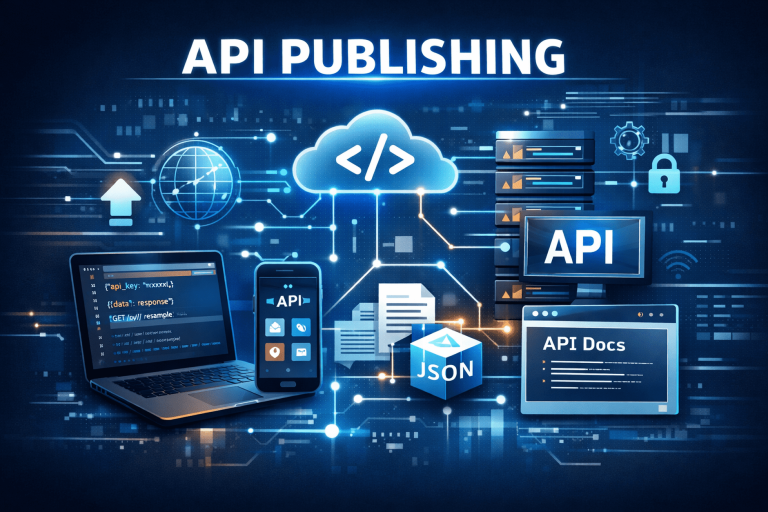
How to Create API Documentation That is Clear and User-Friendly
In the rapidly evolving world of software development, clear and user-friendly API documentation has become essential for ensuring seamless integration and user adoption. Developers today expect documentation that not only adheres to established API documentation standards but also anticipates their needs, offering clarity and easy navigation. Recent trends emphasize the importance of interactive elements, like code snippets and live API explorers, which allow users to test endpoints directly. Companies such as Stripe and Twilio have set benchmarks with visually intuitive, well-structured documentation that balances technical depth with readability. By combining concise explanations, consistent formatting and real-world examples, modern API documentation can transform a daunting developer experience into an engaging and productive one. Whether you’re catering to seasoned developers or first-time integrators, prioritizing usability through standardized approaches and innovations can make your API a preferred choice in an increasingly competitive landscape.
What is API Documentation?
API documentation refers to a comprehensive guide that explains how developers can effectively use and integrate with a specific application programming interface (API). It serves as a critical bridge between the API provider and developers, outlining the methods, endpoints, request formats, response formats, authentication procedures and other necessary details required for proper implementation. API documentation is not only a technical manual but also a reference resource for developers. High-quality documentation ensures that developers can quickly comprehend and leverage an API, fostering better adoption and reducing the learning curve.
Why API Documentation Standards Are Essential
API documentation standards are the practices, conventions. guidelines that ensure API documentation is consistent, clear. user-friendly. Adhering to these standards helps maintain a uniform approach across APIs provided by an organization. This uniformity benefits developers by reducing confusion and enabling quicker onboarding. The key benefits of adhering to API documentation standards include:
- Clarity: Ensures that documentation is easy to read and grasp.
- Consistency: Provides a structured and predictable format across all APIs.
- User Experience: Improves the developer experience by reducing the time spent searching for details.
- Scalability: Facilitates easier updates and maintenance, especially for large-scale systems with multiple APIs.
Key Components of API Documentation
Understanding the essential components of API documentation is a vital step toward creating user-friendly and standardized resources. Below are the key components:
- Introduction: A high-level overview of the API, including its purpose, key features. use cases.
- Authentication: Clear instructions on implementing authentication (e. g. , OAuth, API keys).
- Endpoint Definitions: Detailed descriptions of each available API endpoint, including:
- Endpoint URL
- HTTP methods (GET, POST, PUT, DELETE, etc.)
- Request parameters
- Response formats
- HTTP status codes
- Code Samples: Real-world examples in popular programming languages (e. g. , Python, JavaScript, Java).
- Error Handling: Comprehensive guides on interpreting and resolving error messages.
- Rate Limits: Details about request limits and throttling mechanisms.
- Changelog: A documented history of updates, changes and deprecated features.
Best Practices for Creating Clear and User-Friendly API Documentation
Developing top-notch API documentation requires adhering to certain best practices. Below are actionable steps to ensure your documentation meets high standards:
- Adopt a Standardized Format: Use well-recognized frameworks for structuring your documentation. OpenAPI Specification (OAS) is a popular choice that allows you to define APIs in a machine-readable format.
- Use Simple Language: Avoid overly technical jargon. Write as if you’re explaining to someone with basic programming knowledge.
- Include Interactive Features: Tools like Swagger UI or Postman provide interactive documentation that allows developers to test endpoints directly within the documentation.
- Provide Real-World Examples: Include request and response examples in multiple programming languages to broaden accessibility.
- Maintain Consistency Across APIs: Ensure naming conventions, parameter structures and overall layouts are uniform.
- Keep It Updated: Outdated documentation can frustrate developers. Implement a feedback loop to continuously refine the content.
- Use Visual Aids: Include diagrams or flowcharts to explain complex processes or workflows.
Comparison of Documentation Tools
When creating API documentation, leveraging the right tools can make all the difference. Below is a comparison table of popular documentation tools:
| Tool | Features | Use Case |
|---|---|---|
| Postman | Interactive documentation, API testing, collaboration tools | Ideal for teams working on collaborative API development |
| Swagger (OpenAPI) | Machine-readable API definitions, interactive UI | Best for adhering to API documentation standards |
| Redoc | Customizable themes, OpenAPI support | Good for creating visually appealing documentation |
| ReadMe | Dynamic, user-focused documentation with analytics | Suited for startups or SaaS products seeking a polished user experience |
Real-World Applications and Use Cases
API documentation plays a vital role in the tech ecosystem, especially in the following real-world scenarios:
- Third-Party Integrations: Businesses like Shopify and Slack rely on robust API documentation to enable developers to create plugins and integrations easily.
- Cloud Computing: AWS, Google Cloud. Azure provide exhaustive API documentation to help developers harness their services efficiently.
- Mobile App Development: APIs like Google Maps or Twitter have clear documentation that allows developers to embed functionalities seamlessly into mobile apps.
- IoT Devices: Smart device manufacturers provide APIs with detailed documentation for developers to integrate IoT functionalities with other systems.
Common Pitfalls to Avoid in API Documentation
Even with good intentions, several mistakes can derail the usefulness of API documentation. Here are the common pitfalls to avoid:
- Lack of Examples: Without examples, developers may find it difficult to implement an API effectively.
- Overly Complex Language: Using jargon or overly technical terms can alienate users with basic programming skills.
- Outdated Content: Failing to update documentation with API changes leads to broken integrations and frustrated users.
- Poor Error Descriptions: Ambiguous or incomplete error messages make debugging unnecessarily challenging.
- Ignoring Feedback: Failure to incorporate developer feedback can result in documentation that does not meet user expectations.
Conclusion
Creating clear and user-friendly API documentation is not just about listing endpoints and parameters; it’s about crafting an experience that empowers users to achieve their goals with ease. By prioritizing structure, simplicity. accessibility, you bridge the gap between technical complexity and user understanding. Incorporating visual aids like diagrams or code samples can significantly streamline comprehension, especially for developers navigating increasingly complex integrations. Leveraging current trends, such as interactive documentation platforms or embedding real-time examples, not only modernizes your approach but also aligns with the expectations of today’s tech-savvy users. Remember, every effort you invest in making your API documentation more intuitive is a step toward creating a more connected and productive tech ecosystem.
More Articles
How to Overcome Common API Integration Challenges for Seamless Connectivity How API Publishing Powers Automated Content at Enterprise Scale Must-Have AI Tools for Content, SEO. Performance Marketing How Do You Build a Scalable Content Strategy & Planning System

FAQs
What is API documentation and why is it crucial?
API documentation is a guide that explains how to use an API effectively. It’s crucial because it helps developers grasp how to connect with your API and use its features without confusion.
How can I make API documentation easy to follow?
Use clear language, break down complex ideas into smaller steps, include examples. provide structured data. Organizing the documentation logically helps users navigate it easily.
Should I include code samples in API documentation?
Yes, code samples are highly valuable. They give developers a practical example of how to use your API and can make it easier for them to get started quickly.
What are some common mistakes to avoid in API documentation?
Avoid using overly technical language, skipping explanations for key concepts, having poor organization, or leaving out error codes and troubleshooting tips. These can make the documentation harder to use.
How do I keep API documentation updated?
Whenever the API evolves or changes, review the documentation and update details accordingly. Regularly check for outdated examples or instructions. replace them with current ones.
Should I include explanations for error codes in the documentation?
Absolutely. Error codes should be clearly explained so developers know what went wrong and how to fix it. This can save a lot of time and frustration for users.
What tools can help create better API documentation?
Tools like Swagger, Postman. Redoc can streamline the process and offer templates or interactive features to enhance the user experience.