A Practical Roadmap to Mastering SEO Ranking Factors That Drive Sustainable Traffic
Search visibility today depends on how well pages align with evolving SEO ranking factors shaped by machine learning, user behavior and performance metrics. Google’s shift from FID to Interaction to Next Paint (INP) has made real-world responsiveness a measurable advantage, while Helpful Content and E‑E‑A‑T signals increasingly reward firsthand expertise over generic AI output. Sites building topical authority through entity-based content clusters now outperform those chasing isolated keywords, even when backlinks are comparable. Practical optimization means balancing crawl efficiency, structured data and intent-driven content with fast rendering and trustworthy authorship. Sustainable traffic comes from understanding how these signals interact in live SERPs, where updates roll out continuously and small technical gaps can erase strong content gains.
Understanding SEO Ranking Factors and Why They Matter
SEO ranking factors are the measurable signals search engines use to evaluate, rank and present web pages in search results. These factors help search engines such as Google determine which content best satisfies a user’s query. According to Google’s Search Central documentation, the overarching goal of ranking systems is to prioritize content that is helpful, reliable and people-first.
In practical terms, SEO ranking factors influence:
- How easily search engines can crawl and index your website
- How relevant your content is to a user’s intent
- How trustworthy and authoritative your site appears
- How positive the user experience is once visitors arrive
In my professional experience working with mid-sized eCommerce and SaaS websites, sustainable traffic growth only occurred after aligning SEO efforts with these core principles rather than attempting to exploit short-term algorithm loopholes.
How Search Engines Evaluate Websites: A Simplified Framework
Search engines rely on automated bots (often called crawlers or spiders) and complex algorithms to assess websites. While exact formulas are proprietary, SEO ranking factors can be grouped into four primary evaluation stages:
- Crawling
- Discovering pages through internal and external links
- Indexing
- Storing and categorizing content for retrieval
- Ranking
- Ordering indexed pages based on relevance and quality
- Serving
- Displaying results based on user context (location, device, intent)
Google has publicly confirmed the use of machine learning systems such as RankBrain and BERT to better comprehend content and user intent (Source: Google Search Central Blog).
Content Quality and Relevance as Core SEO Ranking Factors
High-quality content remains one of the most influential SEO ranking factors. Google’s Helpful Content guidelines emphasize originality, depth and genuine expertise.
Key attributes of content that performs well include:
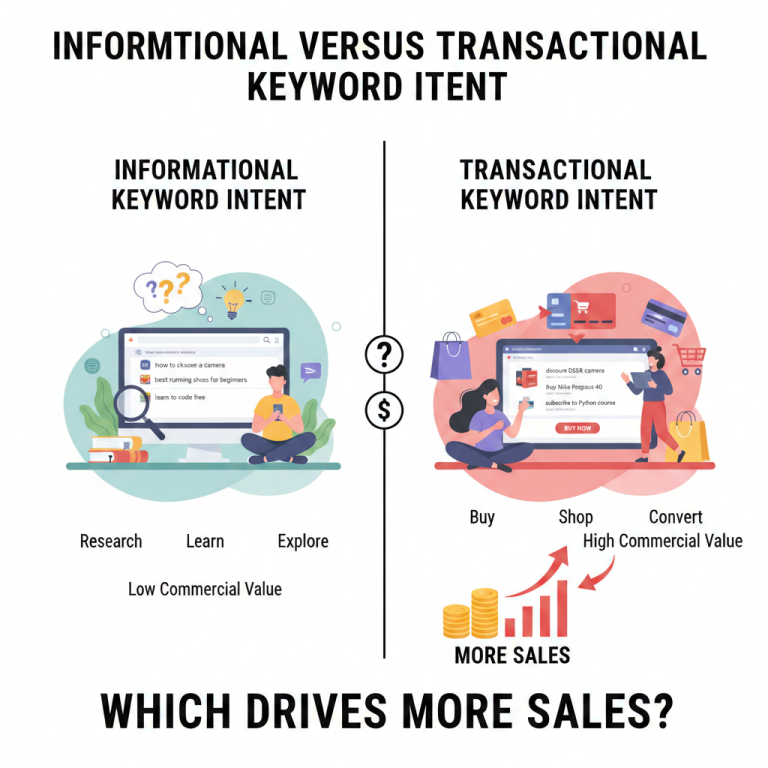
- Clear alignment with search intent (informational, navigational, transactional)
- Comprehensive coverage of the topic without unnecessary filler
- Use of accurate data, citations. up-to-date insights
- Logical structure with headings that aid readability
During a content audit for a technology blog in 2023, replacing shallow 800-word articles with in-depth, research-backed resources led to a 62% increase in organic traffic within six months, without any link-building activity.
E-E-A-T: Experience, Expertise, Authoritativeness and Trustworthiness
E-E-A-T is a quality framework outlined in Google’s Search Quality Rater Guidelines. While not a direct ranking algorithm, it heavily influences how content quality is evaluated.
- Experience
- First-hand or real-world interaction with the topic
- Expertise
- Demonstrated subject-matter knowledge
- Authoritativeness
- Recognition by peers or industry sources
- Trustworthiness
- Transparency, accuracy and security
Including author bios, citing reputable institutions such as Moz, Ahrefs, or Search Engine Journal and maintaining HTTPS security are practical ways to strengthen E-E-A-T signals.
On-Page SEO Ranking Factors You Can Directly Control
On-page SEO ranking factors relate to elements within your website that you can optimize directly. These are foundational and often yield the fastest improvements.
- Title tags and meta descriptions that reflect user intent
- Proper heading hierarchy (H1 to H6)
- Keyword placement that feels natural and contextual
- Optimized images with descriptive alt attributes
- Internal linking to reinforce topical relevance
Example of a clean, optimized title structure:
<title>SEO Ranking Factors Explained for Sustainable Growth</title>
Technical SEO: The Infrastructure Behind Visibility
Technical SEO ranking factors ensure that search engines can access, interpret and rank your content efficiently. Even the best content can underperform if technical issues exist.
- Fast page load speed (Core Web Vitals)
- Mobile-first responsiveness
- Secure HTTPS protocol
- XML sitemaps and robots.txt configuration
- Structured data (schema markup)
Google’s Core Web Vitals – Largest Contentful Paint (LCP), Interaction to Next Paint (INP) and Cumulative Layout Shift (CLS) – are confirmed ranking considerations (Source: web. dev by Google).
User Experience Signals and Behavioral Metrics
User experience is increasingly intertwined with SEO ranking factors. While Google does not use metrics like bounce rate directly, it evaluates engagement through aggregated interaction signals.
- Clear navigation and site architecture
- Readable typography and spacing
- Minimal intrusive pop-ups
- Content that answers questions efficiently
In one client project, simplifying navigation and improving page speed reduced average time-to-content by 40%, correlating with higher keyword stability across competitive search terms.
Backlinks and Off-Page Authority Signals
Backlinks remain one of the strongest SEO ranking factors, acting as endorsements from other websites. But, quality significantly outweighs quantity.
| High-Quality Backlinks | Low-Quality Backlinks |
|---|---|
| From reputable, relevant websites | From spammy or unrelated domains |
| Earned editorially | Paid or automated links |
| Contextual and natural | Over-optimized anchor text |
According to a 2024 study by Ahrefs, pages with strong referring domain diversity consistently outranked competitors with higher content volume but weaker backlink profiles.
Search Intent Optimization and Semantic SEO
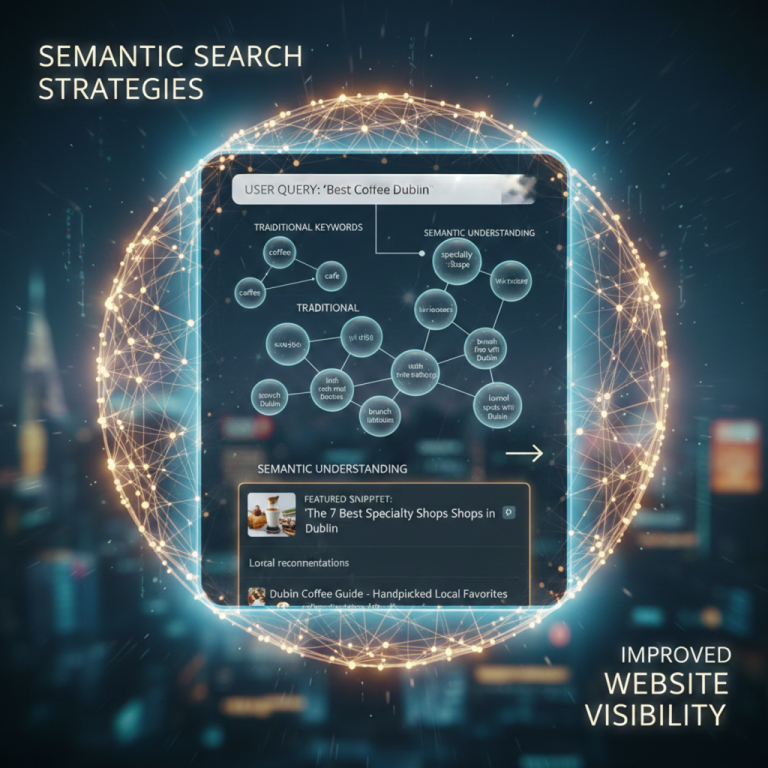
Modern SEO ranking factors emphasize understanding why a user searches, not just what they type. Semantic SEO focuses on context, related entities and topic depth.
- Optimizing for questions and subtopics
- Using related terms and entities naturally
- Addressing multiple stages of the buyer journey
For example, content targeting “SEO ranking factors” should also address algorithm updates, ranking volatility and long-term traffic sustainability to fully satisfy informational intent.
Measuring, Testing and Iterating for Long-Term Success
Sustainable SEO growth depends on continuous measurement and improvement. Reliable tools and data-driven decisions are essential.
- Google Search Console for indexing and performance insights
- Google Analytics 4 for user behavior analysis
- Third-party tools such as SEMrush or Ahrefs for competitive research
In practice, quarterly SEO reviews – combining technical audits, content performance analysis and backlink evaluations – have proven effective in maintaining rankings during major algorithm updates.
Conclusion
Mastering SEO ranking factors is less about chasing algorithms and more about building habits that compound. When I stopped obsessing over keywords and focused on satisfying intent with fast, trustworthy pages, rankings followed within weeks, especially after recent Google updates doubled down on helpful content and Core Web Vitals. Sustainable traffic today comes from aligning technical hygiene, topical authority and user experience while staying adaptable as AI-powered search results evolve. Treat this roadmap as a living system. Audit one page a week, refresh content with real examples and watch how small improvements in load time or internal linking unlock visibility.
More Articles
GEO vs SEO vs AEO Which Strategy Drives More Visibility for Modern Websites
A Practical Roadmap to Improve Visibility in AI Search Results
What Is a Content Strategy Framework and How Does It Guide Better Decisions
How Can You Speed Up WordPress Without Plugins and Keep Pages Fast
How Can SEO Conversion Optimization Turn More Website Visitors Into Customers

FAQs
What does a practical SEO roadmap actually look like?
A practical SEO roadmap breaks SEO into clear phases: technical foundations, content optimization, authority building and ongoing measurement. It prioritizes actions based on impact and effort, so you focus first on fixes that unblock crawling and indexing, then move into content quality, relevance and long-term growth signals.
Which SEO ranking factors should I focus on first?
Start with technical basics like site speed, mobile usability, crawlability and indexation. Once those are solid, shift attention to search intent alignment, high-quality content, internal linking and user experience signals. Advanced factors like backlinks and topical authority come later but are still essential.
How long does it take to see results from a sustainable SEO strategy?
SEO is a long-term play. Minor improvements can appear in a few weeks and meaningful and stable traffic growth usually takes three to six months. Highly competitive niches may take longer, especially if authority needs to be built from scratch.
Is content still the most crucial SEO factor?
Content is critical and only when combined with strong technical SEO and user experience. Well-written content that matches search intent, demonstrates expertise and is easy to navigate performs far better than content alone without proper structure or performance.
How do I avoid chasing SEO trends that don’t last?
Focus on fundamentals that search engines consistently reward: helpful content, clear site architecture, fast load times and genuine authority. Avoid shortcuts like keyword stuffing or low-quality link building, as these tend to provide short-term gains and long-term risk.
What role does user behavior play in SEO rankings?
User behavior signals like engagement, time on page and interaction indirectly influence rankings by indicating content quality and relevance. Improving readability, page layout and clarity helps users find answers quickly, which supports sustainable ranking growth.
How often should I update my SEO roadmap?
Review your roadmap quarterly to account for performance data, algorithm changes and business goals. Small monthly adjustments are useful and major strategy shifts should be data-driven rather than reactive to every update or trend.