The Complete Roadmap to Building a Thriving Content Marketing Strategy
Introduction
Content marketing today is no longer a matter of publishing frequent blog posts or inserting target keywords. Sustainable growth requires a deliberate, systems-level approach – especially within WordPress, where themes, plugins, performance, and structure directly influence visibility, engagement, and conversions. High-performing strategies treat content as infrastructure: measurable, scalable, and engineered for both users and search engines.
What follows is a refined framework for building a resilient, data-driven content ecosystem that goes beyond editorial calendars and embraces technical architecture, semantic relevance, and continuous optimization.
Understanding Your Audience with Precision
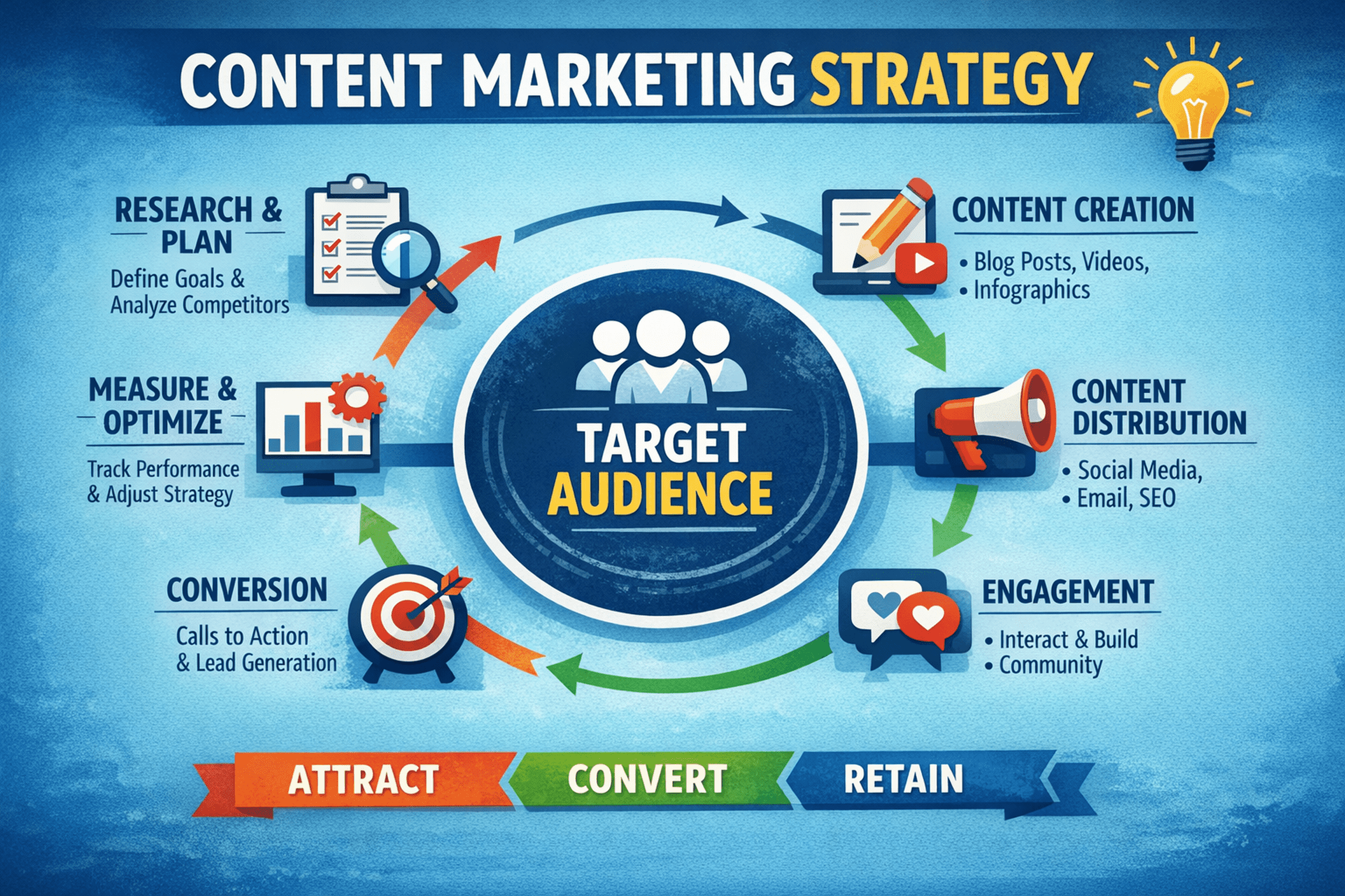
Effective content marketing begins with deep audience intelligence, not surface-level demographics. The real objective is understanding why users visit, what they expect, and how they behave once they arrive.
Modern analytics platforms enable granular behavioral analysis. Event-driven tracking allows you to measure interactions such as scroll depth, engagement with specific content elements, or user journeys across pages. For example:
- Low scroll depth may indicate poor readability, weak structure, or slow loading.
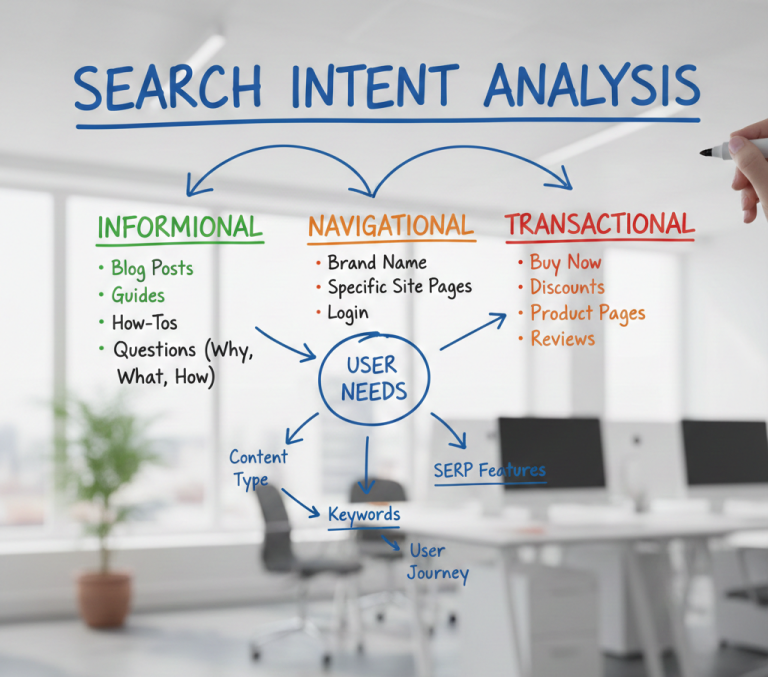
- High bounce rates on transactional pages may reveal mismatched search intent.
- Extended engagement on informational posts often signals research-stage visitors.
Behavioral tools from companies like Hotjar and Crazy Egg complement analytics by visualizing real user activity through heatmaps and session recordings. These insights eliminate guesswork. If users ignore a call-to-action (CTA), abandon sections, or struggle with layout, the data exposes the friction immediately.
The key shift is moving from assumptions to observable evidence. Content decisions guided by user behavior consistently outperform intuition-based strategies.
Architecting Content for Semantic Relevance
Search engines increasingly prioritize topical authority and contextual meaning over isolated keyword usage. As a result, content architecture has become a decisive ranking factor.
Topic Clusters and Pillar Structures
Rather than publishing disconnected articles, advanced strategies organize content into topic clusters:
- Pillar Page: Broad, authoritative resource covering a core subject.
- Cluster Content: Supporting articles addressing specific subtopics.
- Internal Links: Dense, logical connections between related content.
This model strengthens semantic signals, clarifies site structure, and improves discoverability. It also mirrors how users naturally explore information – moving from general concepts to specific questions.
Leveraging Custom Post Types
WordPress enables sophisticated segmentation through Custom Post Types (CPTs) and taxonomies. Instead of relying solely on default posts and categories, CPTs allow content to be structured by purpose or format:
- Tutorials
- Case studies
- Reviews
- Guides
- Resources
Each CPT can maintain distinct metadata, templates, and taxonomies, improving navigation and contextual clarity. The result is effectively multiple content ecosystems operating within a single site, each optimized for different user intents.
While setup requires technical planning, the long-term benefits for scalability and user experience are substantial.
Building a Strong Technical SEO Foundation
Even exceptional content underperforms on unstable technical foundations. Performance and structure now influence rankings as directly as relevance.
Core Web Vitals and User Experience
Metrics such as Largest Contentful Paint (LCP), interactivity, and visual stability quantify page experience. Poor performance degrades both rankings and engagement.
Optimization strategies often include:
- Deferring non-critical CSS and JavaScript
- Minifying assets
- Compressing and resizing images
- Reducing render-blocking resources
Plugins from companies like WP Rocket and LiteSpeed Cache frequently accelerate improvements by automating caching, asset optimization, and delivery enhancements. However, automation should be guided by understanding. Incorrect configurations – such as lazy-loading critical visual elements – can harm rather than help performance.
Structured Data and Schema Markup
Structured data transforms plain content into machine-readable context. Proper schema implementation enhances search appearance, enabling rich results and improving click-through rates.
Examples include:
- Article schema for editorial content
- FAQ schema for question-driven pages
- Product schema for commercial pages
SEO tools from companies like Yoast SEO and Rank Math simplify schema deployment while maintaining compatibility with evolving search standards.
Internal Linking as Structural Logic
Internal links distribute authority, guide crawlers, and shape user journeys. Balanced linking strategies connect related insights without overwhelming readers. Orphaned pages, excessive outbound links, or weak topical connections dilute SEO strength.
A well-designed internal link network improves both indexation and engagement depth.
Creating High-Impact Content Experiences
Compelling content now depends on experience design as much as writing quality. Static text alone rarely maximizes engagement.
Advanced Use of the Block Editor
The block editor within WordPress supports modular, dynamic content construction. Beyond default blocks, custom blocks enable interactive and reusable components:
- Quizzes
- Calculators
- Data visualizations
- Testimonials
- Comparison modules
Interactive elements reduce cognitive load, improve retention, and increase engagement. They also create differentiated user experiences difficult for competitors to replicate.
Dynamic Content and Custom Fields
Structured data management through custom fields prevents redundancy and improves consistency. Instead of manually updating repeated information, centralized fields propagate updates across templates automatically.
This approach dramatically improves scalability while minimizing maintenance overhead.
Multilingual and Localized Strategies
Global reach requires more than translation. Localization adapts messaging, cultural nuance, and search targeting. Multilingual frameworks ensure correct indexing and prevent duplication issues, often leading to significant engagement growth across regions.
Strategic Content Distribution
Creation without distribution limits impact. Content performance depends heavily on amplification channels and visibility cycles.
Automated Social Sharing
Automation tools sustain consistent promotion by scheduling new and evergreen content. Systematic resharing extends lifespan and mitigates visibility decay.
RSS-Driven Syndication
Native RSS feeds remain powerful for controlled distribution. Integration with email platforms creates direct, algorithm-independent communication channels that often outperform social engagement metrics.
Authority Building Through Cross-Promotion
Strategic collaborations, guest contributions, and community participation generate qualified traffic and strengthen domain authority. Effective promotion focuses on relevance and contribution rather than volume.
Measuring Performance and Driving Iteration
High-performing content strategies operate on continuous feedback loops. Data collection, hypothesis testing, and refinement drive compounding gains.
Behavioral and Conversion Tracking
Event-based measurement reveals which content assets influence meaningful actions:
- CTA clicks
- Scroll completion
- Form submissions
- Page transitions
Content that consistently supports conversions deserves prioritization and expansion.
Search Performance Diagnostics
Search data highlights visibility opportunities:
- High impressions with low CTR → Improve titles or descriptions
- Strong CTR with low impressions → Expand authority and linking
- Device-specific weaknesses → Address UX or layout issues
A/B Testing and Statistical Validation
Testing variations of headlines, layouts, or CTAs replaces subjective decisions with empirical evidence. Reliable tests require sufficient traffic and disciplined interpretation, but successful iterations often yield measurable conversion improvements.
Scaling Content Operations Efficiently
As content ecosystems grow, operational discipline becomes critical. Without structured workflows, quality and consistency degrade.
Editorial Workflow Systems
Dedicated planning tools coordinate creation, review, and publication cycles. Centralized visibility prevents bottlenecks and scheduling failures.
Governance and Role Structures
Granular permission models enforce quality standards. Controlled publishing rights reduce errors, maintain brand integrity, and streamline collaboration.
Responsible AI Integration
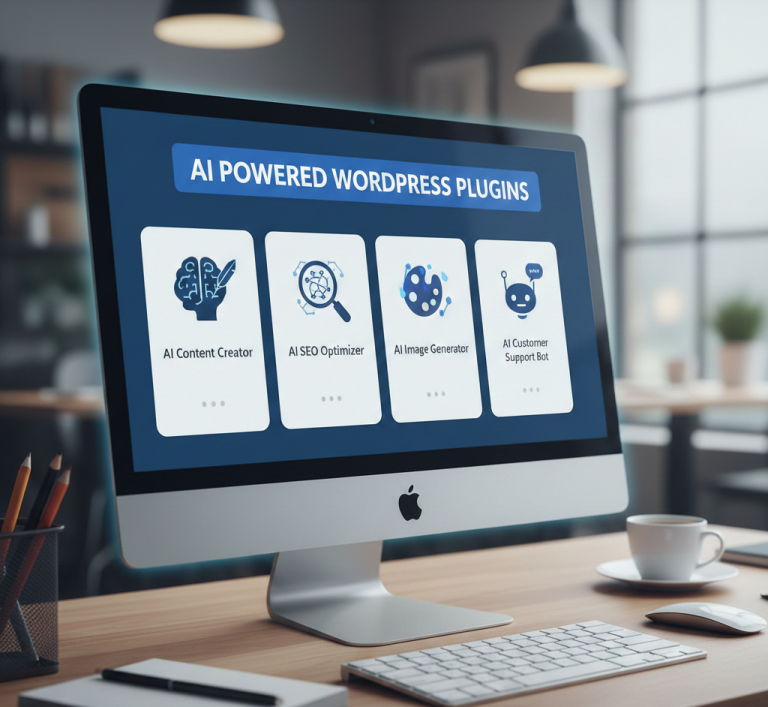
AI tools accelerate ideation, drafting, and optimization. When supervised effectively, they improve efficiency without compromising authenticity or accuracy. Human oversight remains essential for nuance, credibility, and originality.
Monetization and ROI Alignment
Content marketing ultimately serves measurable business objectives. Clear monetization pathways validate investment and guide strategy.
Affiliate and Partnership Models
Managed linking systems improve tracking, organization, and performance evaluation.
Advertising Optimization
Revenue must be balanced with user experience and performance. Excessive or intrusive placements erode trust and SEO strength.
Premium Content and Membership Structures
High-value expertise often performs best behind paywalls or subscription models, generating stronger revenue per user than ad-based approaches.
ROI Measurement Principles
True evaluation links content assets to tangible outcomes. Attribution frameworks, conversion tracking, and revenue mapping reveal which initiatives drive real business impact.
Conclusion
Modern content marketing is fundamentally an engineering discipline. Success emerges from structural clarity, performance optimization, behavioral insight, and relentless iteration. In WordPress, where flexibility can amplify both strengths and weaknesses, architectural thinking becomes indispensable.
The most resilient strategies treat content not as isolated posts but as interconnected systems – measurable, adaptable, and continuously refined. Algorithms evolve, user behaviors shift, and technologies advance, but frameworks grounded in data, semantics, and user experience remain durable.
Content authority is not published. It is systematically built.
More Articles
Your Step-by-Step Roadmap to Building a Winning Content Strategy
Five Simple Steps to grasp Keyword Difficulty for Better SEO Rankings
How to Optimize Product Pages That Increase Conversions and Improve Search Rankings
How to Improve AI Search Visibility for Your Website Without Technical Complexity
Essential Checklist for Adopting Headless WordPress Trends That Improve Site Performance

FAQs
What exactly will I learn from this roadmap?
This roadmap breaks down everything you need to know to build a robust content marketing strategy from scratch. You’ll learn how to define your audience, create compelling content, distribute it effectively and measure your success to keep growing.
Who is this roadmap designed for?
It’s perfect for anyone looking to up their content game – whether you’re a small business owner, a marketing professional, a freelancer, or just starting out and need a clear path to follow.
What are the main stages involved in building a thriving content strategy?
The roadmap typically covers key stages like audience research, content planning and creation, distribution and promotion, performance analysis and optimization. It’s a cyclical process designed for continuous improvement.
How does this roadmap help me create content that actually connects with my audience?
It guides you through understanding your audience’s needs, pain points and interests, so you can craft content that truly resonates and provides value, leading to stronger engagement and loyalty.
Do I need a big budget or a huge team to follow this roadmap successfully?
Not at all! This roadmap is designed to be adaptable. While resources help, it emphasizes smart planning and strategic execution, showing you how to maximize impact even with limited resources.
How soon can I expect to see results after implementing this strategy?
Content marketing is a long-term game, so immediate overnight success isn’t typical. But, by consistently applying the principles in the roadmap, you can start seeing positive shifts in engagement and traffic within a few months, with significant growth over 6-12 months.
Does the roadmap include tips for different kinds of content, like video or blog posts?
Yes, it provides a comprehensive approach that can be applied to various content formats, including blog posts, videos, podcasts, social media updates, email newsletters and more, helping you choose the best mix for your goals.