



AI now influences pricing, hiring, fraud detection and customer support. Everyday business decisions increasingly hinge on how responsibly data is sourced, governed and reused. As generative models move from pilots to production and regulations like the EU AI Act and updated GDPR enforcement raise the stakes, AI data ethics becomes an operational requirement, not a philosophical debate. Teams must balance data minimization with model performance, manage consent across third-party data pipelines and detect bias in real-time decision systems such as credit scoring or dynamic pricing. Recent advances in data lineage tooling, synthetic data generation and automated bias audits offer practical levers, yet missteps still lead to reputational damage and regulatory risk. Navigating these pressures demands a clear, actionable path that aligns ethical principles with measurable business outcomes and day-to-day decision workflows.
Defining AI Data Ethics in a Business Context
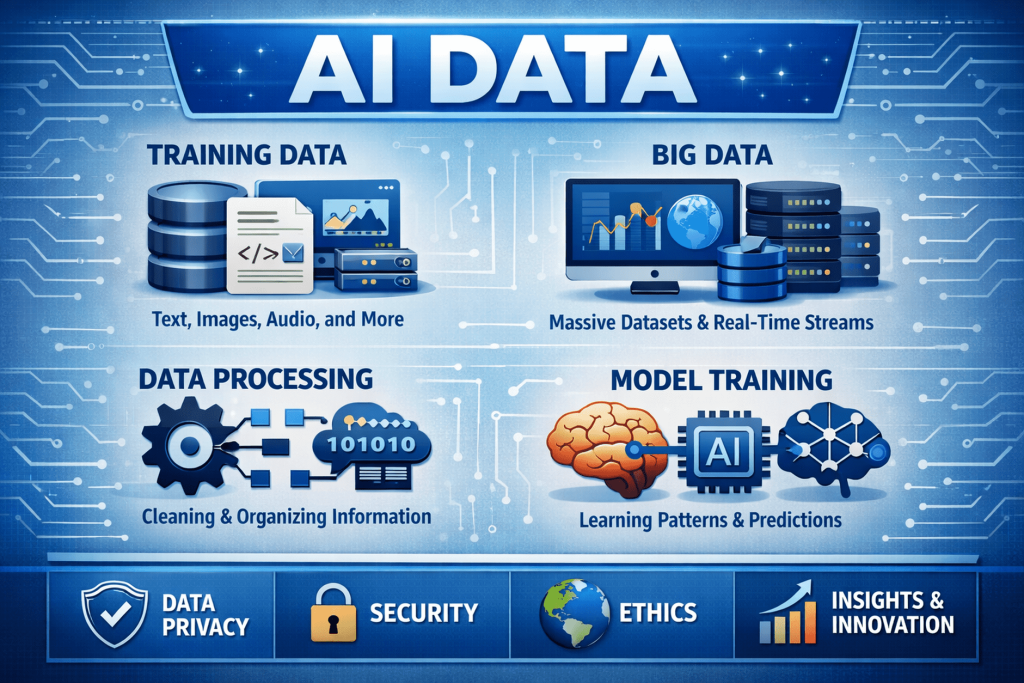
AI data ethics refers to the principles and practices that govern how organizations collect, process, review and use data in artificial intelligence systems. In everyday business decisions, AI data ethics focuses on ensuring fairness, accountability, transparency, privacy and security throughout the data lifecycle. The term is often used by institutions such as the OECD and the World Economic Forum to describe responsible AI practices that protect individuals while enabling innovation.
- Fairness
- Preventing discriminatory outcomes caused by biased data or models.
- Transparency
- Making AI-driven decisions understandable to stakeholders.
- Accountability
- Assigning clear ownership for AI outcomes and risks.
- Privacy
- Respecting user consent and data protection laws.
- Security
- Safeguarding data from breaches and misuse.
Why Ethical AI Data Use Matters for Everyday Business Decisions
In my experience advising mid-sized retail and fintech firms, ethical missteps often occur not in advanced AI research and in routine decisions such as customer segmentation, credit scoring, or marketing automation. Poor AI data ethics can lead to reputational damage, regulatory penalties and loss of customer trust. According to IBM’s “Global AI Adoption Index,” organizations that prioritize ethical AI practices are more likely to achieve sustainable ROI from AI initiatives. Ethical data use directly influences:
- Customer trust and brand loyalty
- Regulatory compliance and risk reduction
- Decision quality and long-term business resilience
Key Regulations and Standards Shaping Ethical AI Data Use
Businesses must align AI data practices with existing and emerging regulations. While laws vary by region, their ethical foundations are similar.
- GDPR (EU)
- Emphasizes lawful processing, data minimization and examinability.
- CCPA/CPRA (California)
- Grants consumers rights over personal data usage.
- EU AI Act (proposed)
- Introduces risk-based governance for AI systems.
- NIST AI Risk Management Framework
- Provides voluntary guidance for trustworthy AI.
The OECD AI Principles and UNESCO’s AI ethics recommendations are frequently cited by policymakers and should be considered baseline references.
A Practical Data Lifecycle Roadmap for Ethical AI
Ethical AI data use should be embedded across the entire data lifecycle, not treated as a final compliance check.
Data Collection: Purpose Limitation and Consent
Organizations should collect only data that is necessary for a defined business purpose. Consent must be explicit, informed and revocable.
- Document the business purpose for each dataset
- Avoid collecting sensitive attributes unless legally justified
- Use clear, non-technical language in consent notices
Data Preparation: Quality, Bias and Representativeness
Biased or incomplete data is one of the most common ethical risks. I once reviewed a hiring algorithm that unintentionally favored candidates from a narrow demographic because historical data reflected past hiring biases.
- Conduct bias audits on training datasets
- Balance datasets where feasible
- Document known limitations using model cards or data sheets
Model Development: Transparency and Explainability
For everyday business decisions, explainable models are often more appropriate than opaque systems. Stakeholders should interpret how inputs influence outcomes.
# Example: Simple feature importance extraction
from sklearn. ensemble import RandomForestClassifier
model = RandomForestClassifier()
model. fit(X_train, y_train)
model. feature_importances_
This type of analysis supports AI data ethics by enabling internal review and external explanation.
Deployment: Human Oversight and Accountability
AI outputs should inform – not replace – human judgment, especially in high-impact decisions like pricing, lending, or employee evaluation.
- Define escalation paths for contested AI decisions
- Assign an accountable business owner for each AI system
- Regularly review outcomes for unintended consequences
Monitoring and Continuous Improvement
Ethical AI data use is ongoing. Data drift, changing customer behavior and new regulations require continuous monitoring.
- Track model performance and fairness metrics
- Reassess consent and data relevance periodically
- Log and investigate ethical incidents
Comparing Centralized vs. Decentralized AI Data Governance
Choosing the right governance model is a practical business decision with ethical implications.
| Aspect | Centralized Governance | Decentralized Governance |
|---|---|---|
| Control | High consistency and oversight | Greater flexibility for teams |
| Ethical Risk | Lower due to standard policies | Higher without strong coordination |
| Scalability | Slower for large organizations | Faster innovation at team level |
Many organizations adopt a hybrid approach, combining centralized standards with local execution.
Real-World Applications of Ethical AI Data Use
- Marketing
- Ethical customer segmentation avoids exploiting vulnerable groups.
- Finance
- Transparent credit models reduce discrimination and improve compliance.
- Healthcare
- Responsible data use supports accurate diagnostics while protecting patient privacy.
A notable case is Microsoft’s Responsible AI program, which integrates ethics reviews into product development, as documented in its annual transparency reports.
Actionable Checklist for Business Leaders
- Establish an AI ethics review board or committee
- Map all AI systems to their data sources
- Train staff on AI data ethics and responsible use
- Engage legal, technical and business stakeholders early
Measuring and Reporting Ethical AI Performance
Ethical practices should be measurable. Common indicators include:
- Bias and fairness metrics across demographics
- Number of data subject requests fulfilled
- Incident response times for ethical issues
Organizations such as NIST and ISO are actively developing standardized metrics to support consistent reporting and accountability.
Conclusion
Ethical AI data use becomes real when it guides daily decisions – how you target, personalize, and prioritize. Responsible data practices are not just compliance; they strengthen accuracy, trust, and long-term growth. Even small steps, like reducing bias in training data, can improve results and credibility. Start small, document intent, review data choices regularly, and involve people in AI oversight. Treat ethics as a strategic advantage, not a constraint, to build a durable competitive edge.
More Articles
10 Ways AI is Revolutionizing Data Analytics for Better Decision-Making
How to Boost ROI with AIO Tools for Smarter Business Decisions
Data Analysis Automations vs Manual Processes Which is More Efficient
7 Workflow Orchestration Tools That Simplify Data Pipelines and Team Collaboration
A Practical Roadmap to Improve Visibility in AI Search Results

FAQs
What does ethical AI data use actually mean for everyday business decisions?
It means using data and AI in ways that respect people’s rights, avoid harm and stay transparent. In daily decisions, this includes being clear about what data is collected, why it’s used and making sure AI-driven recommendations don’t unfairly disadvantage certain groups.
How can a business start applying ethical AI without overhauling everything?
Start small by reviewing existing data practices. Identify where AI influences decisions, set basic guidelines for data privacy and fairness and involve both technical and non-technical staff in discussions. Ethical AI is more about consistent habits than big one-time changes.
What role does data quality play in ethical AI?
Data quality is critical. Poor, biased, or outdated data can lead to unfair or incorrect outcomes. Ethical use means regularly checking data sources, understanding their limitations and correcting gaps that could skew decisions.
How do you balance speed and ethics when AI is used for fast decisions?
Speed shouldn’t replace judgment. Businesses can set guardrails, like human review for high-impact decisions, clear escalation paths and predefined ethical checks. This allows AI to move fast while still staying responsible.
Who should be responsible for ethical AI use inside a company?
Responsibility shouldn’t sit with just one team. Leadership sets expectations, data and AI teams handle implementation and business teams provide context. Shared ownership helps ensure ethics are considered at every step.
How can companies spot bias in AI-driven decisions?
They can monitor outcomes across different customer or employee groups, run regular audits and encourage feedback from people affected by AI decisions. If patterns look unfair, it’s a signal to review both the data and the model logic.
Is ethical AI mainly about avoiding legal trouble?
Legal compliance is part of it but ethical AI goes further. It’s about building trust, making better decisions and protecting a company’s reputation. Businesses that focus only on the law often miss these long-term benefits.