

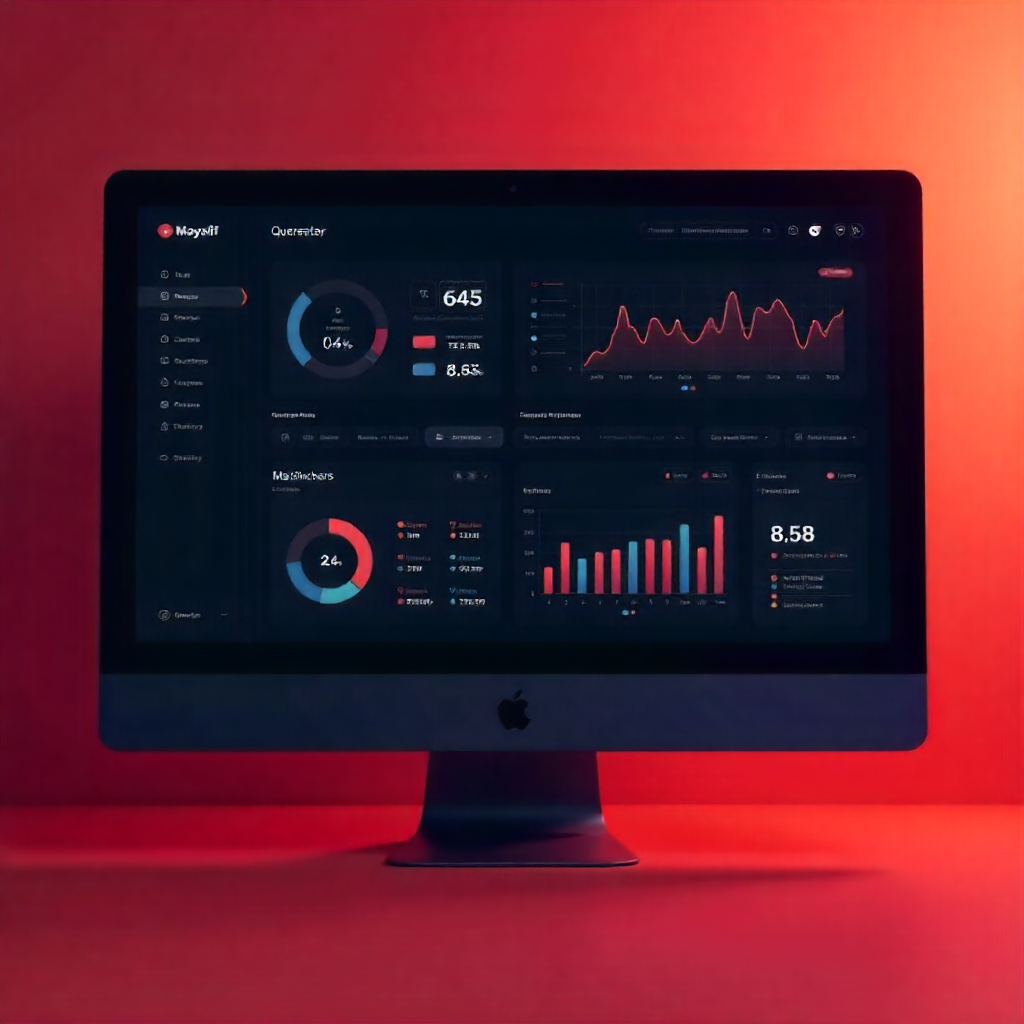

Introduction: Why AI-Powered Analytics Matters in Marketing Today
At PromotoAI, we have seen marketing evolve from intuition-based decisions to data-backed strategies. However, traditional analytics alone is no longer enough. Data volumes continue to grow, customer journeys become more complex, and competition intensifies across every channel. As a result, it has become a critical driver of modern marketing strategy.
It allows us to process massive datasets, uncover hidden patterns, and generate actionable insights faster than manual analysis ever could. Instead of reacting to performance reports weeks later, we now make decisions in real time. This shift has fundamentally changed how we plan campaigns, allocate budgets, and measure success.
In this blog, we explain how AI-powered analytics is changing marketing strategy, why it matters for sustainable growth, and how brands can stay competitive in a data-first world.
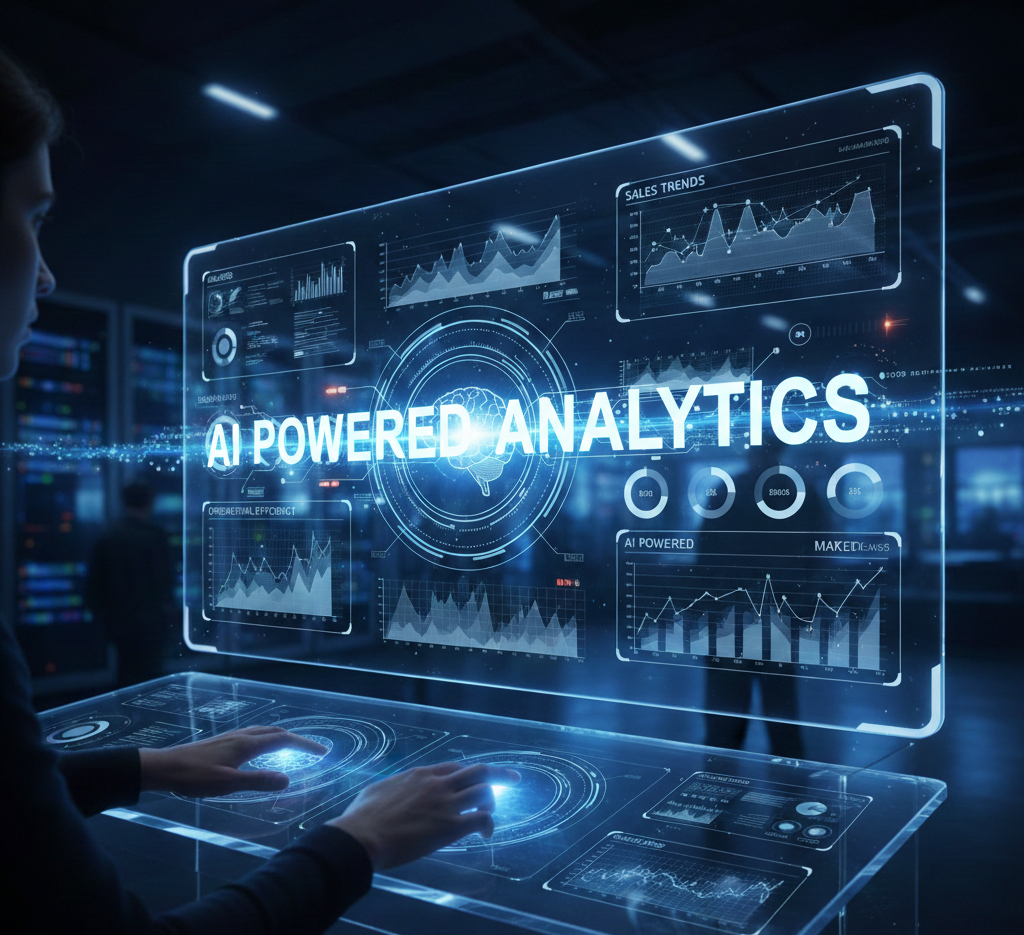
The Shift from Traditional Analytics to AI-Powered Intelligence
Limitations of Traditional Marketing Analytics
For years, marketers relied on dashboards, static reports, and historical data. While these tools offered visibility, they often lacked context and speed. Traditional analytics tells us what happened, but it rarely explains why it happened or what to do next.
Moreover, manual data interpretation introduces delays and human bias. As campaigns scale across SEO, paid media, content, email, and social channels, fragmented data becomes difficult to connect. This complexity limits strategic clarity.
How AI-Powered Analytics Changes the Game
It goes beyond surface-level metrics. It combines machine learning, predictive modeling, and automated insights to help us understand trends before they fully emerge. Instead of analyzing isolated datasets, AI connects signals across platforms and channels.
At PromotoAI, we use AI-driven analytics to move from descriptive reporting to prescriptive decision-making. This approach enables us to recommend actions, forecast outcomes, and continuously optimize performance.
Redefines Marketing Strategy
Strategy Becomes Proactive, Not Reactive
One of the biggest changes we experience with AI-powered analytics is the shift from reactive to proactive marketing. Instead of waiting for performance drops, AI alerts us to potential issues early.
For example, predictive analytics helps us anticipate audience fatigue, keyword saturation, or declining engagement. As a result, we adjust campaigns before performance suffers. This proactive approach protects budgets and improves ROI.
Decisions Are Driven by Real-Time Insights
AI-powered analytics processes data in real time. Consequently, we no longer rely on weekly or monthly reports to guide strategy. Instead, we respond instantly to audience behavior, traffic fluctuations, and conversion patterns.
This real-time intelligence allows us to test faster, iterate smarter, and scale what works. Marketing strategy becomes dynamic and adaptive rather than fixed and rigid.
Smarter Audience Targeting and Segmentation
Moving Beyond Basic Demographics
Traditional segmentation often relies on age, location, or interests. While useful, these parameters fail to capture intent and behavior. AI-powered analytics analyzes deeper signals such as browsing patterns, content engagement, and purchase likelihood.
At PromotoAI, we use AI to build audience segments based on real actions, not assumptions. This behavioral segmentation improves relevance across campaigns.
Predictive Customer Insights
AI-powered analytics predicts which users are more likely to convert, churn, or engage again. Therefore, we tailor messaging, offers, and content to match each stage of the customer journey.
This predictive capability strengthens marketing strategy by aligning efforts with high-impact opportunities rather than broad targeting.
Personalized Marketing at Scale
AI Enables Hyper-Personalization
Personalization used to be limited to first names and basic recommendations. Today, AI-powered analytics enables hyper-personalization across channels.
We use AI insights to personalize landing pages, email content, ad creatives, and product recommendations. Each interaction feels relevant because it is driven by data, not guesswork.
Consistent Experiences Across Channels
AI-powered analytics unifies data from multiple touchpoints. As a result, we deliver consistent messaging across SEO, paid media, content, and automation workflows.
This consistency strengthens brand trust and improves customer experience. Marketing strategy becomes customer-centric rather than channel-centric.
Content Strategy
Data-Driven Content Planning
Content strategy thrives on understanding what audiences want. AI-powered analytics helps us identify high-performing topics, emerging keywords, and content gaps.
Instead of relying solely on intuition, we use data insights to guide editorial planning. This approach improves search visibility, engagement, and authority.
Performance Optimization in Real Time
AI-powered analytics tracks content performance beyond page views. It analyzes scroll depth, dwell time, conversions, and user paths.
Consequently, we continuously refine content based on what drives results. This feedback loop makes content strategy more agile and results-focused.
Transforming SEO and Search Strategy
Smarter Keyword and Intent Analysis
AI-powered analytics improves keyword research by identifying intent patterns and semantic relationships. We analyze not just keywords, but user intent behind queries.
This intelligence helps us create content that aligns with how people search today. SEO strategy becomes more precise and effective.
Predictive Search Trends
AI identifies emerging search trends before they peak. Therefore, we create content early and capture organic visibility faster.
This predictive capability strengthens long-term SEO performance and positions brands as thought leaders.
Optimizing Paid Media
Budget Allocation Based on Performance Signals
Paid media success depends on smart budget distribution. AI-powered analytics evaluates performance signals across platforms and campaigns.
At PromotoAI, we use AI insights to reallocate budgets toward high-performing segments in real time. This optimization improves efficiency and reduces wasted spend.
Creative and Messaging Optimization
AI-powered analytics analyzes which creatives, headlines, and formats resonate most with specific audiences. As a result, we refine messaging continuously.
Paid media strategy becomes data-informed and scalable rather than trial-and-error driven.
Measuring Marketing Performance More Accurately
Beyond Vanity Metrics
AI-powered analytics focuses on meaningful KPIs instead of surface-level metrics. We measure impact across conversions, lifetime value, and engagement quality.
This clarity helps us align marketing efforts with business outcomes. Strategy becomes accountable and measurable.
Attribution and Journey Analysis
Understanding the customer journey is complex. AI-powered analytics connects touchpoints across channels and devices.
As a result, we gain accurate attribution insights. This visibility improves decision-making and supports smarter strategy adjustments.
Improving Forecasting and Strategic Planning
Predictive Performance Forecasts
AI-powered analytics forecasts campaign performance based on historical data and real-time signals. Therefore, we plan resources and timelines with greater confidence.
Forecasting reduces uncertainty and supports strategic alignment across teams.
Scenario Modeling for Better Decisions
AI allows us to simulate different scenarios. We test how changes in budget, channels, or messaging may impact results.
This capability strengthens marketing strategy by minimizing risk and maximizing opportunity.
Operational Efficiency and Automation
Reducing Manual Work
AI-powered analytics automates reporting, analysis, and alerts. This automation frees teams from repetitive tasks.
At PromotoAI, automation allows us to focus on strategy, creativity, and growth rather than manual data handling.
Faster Execution and Scaling
Automation accelerates execution. We launch, test, and optimize campaigns faster while maintaining consistency and quality.
Marketing strategy scales efficiently without increasing complexity.
Challenges and Considerations
Data Quality and Integration
AI relies on accurate data. Therefore, data quality and integration remain critical. We ensure clean data pipelines and consistent tracking.
Strong foundations enable reliable insights and sustainable growth.
Human Oversight Still Matters
While AI enhances analytics, human expertise remains essential. We interpret insights, align strategy, and apply creativity.
The most effective marketing strategies combine AI intelligence with human judgment.
The Future of Marketing Strategy
AI-powered analytics will continue to evolve. As algorithms become more advanced, marketing strategy will become even more predictive, personalized, and performance-driven.
At PromotoAI, we believe AI is not replacing marketers. Instead, it empowers us to make smarter decisions, faster adjustments, and more meaningful connections with audiences.
Brands that embrace AI-powered analytics today will lead tomorrow’s competitive landscape.
Final Thoughts: Turning Data into Strategic Advantage
AI-powered analytics has fundamentally changed how we approach marketing strategy. It transforms raw data into insights, predictions, and actions that drive growth.
At PromotoAI, we build smarter strategies, optimize performance, and deliver measurable results. By combining intelligent data with human expertise, we help brands stay agile, relevant, and competitive in a rapidly changing digital ecosystem.
Marketing strategy is no longer about intuition alone. It is about intelligence, adaptability, and continuous improvement—and AI-powered analytics sits at the center of that transformation.