


Organic traffic alone no longer guarantees revenue as AI Overviews, intent-driven SERPs and stricter page experience signals reshape how users decide to convert. SEO conversion optimization bridges technical SEO with behavioral data to turn rankings into measurable outcomes, aligning search intent, content clarity and on-page performance. For example, ecommerce brands now optimize category pages with intent-matched copy, Product schema and faster INP scores while testing SERP titles against GA4 engagement data to lift add-to-cart rates. Recent shifts like Google’s core updates absorbing helpful content signals, Consent Mode v2. privacy-first analytics have pushed teams to rely on first-party data, internal search insights and UX testing rather than vanity traffic. When SEO strategy accounts for how real users evaluate trust, relevance and speed at every click, visibility becomes a predictable driver of customers, not just visits.
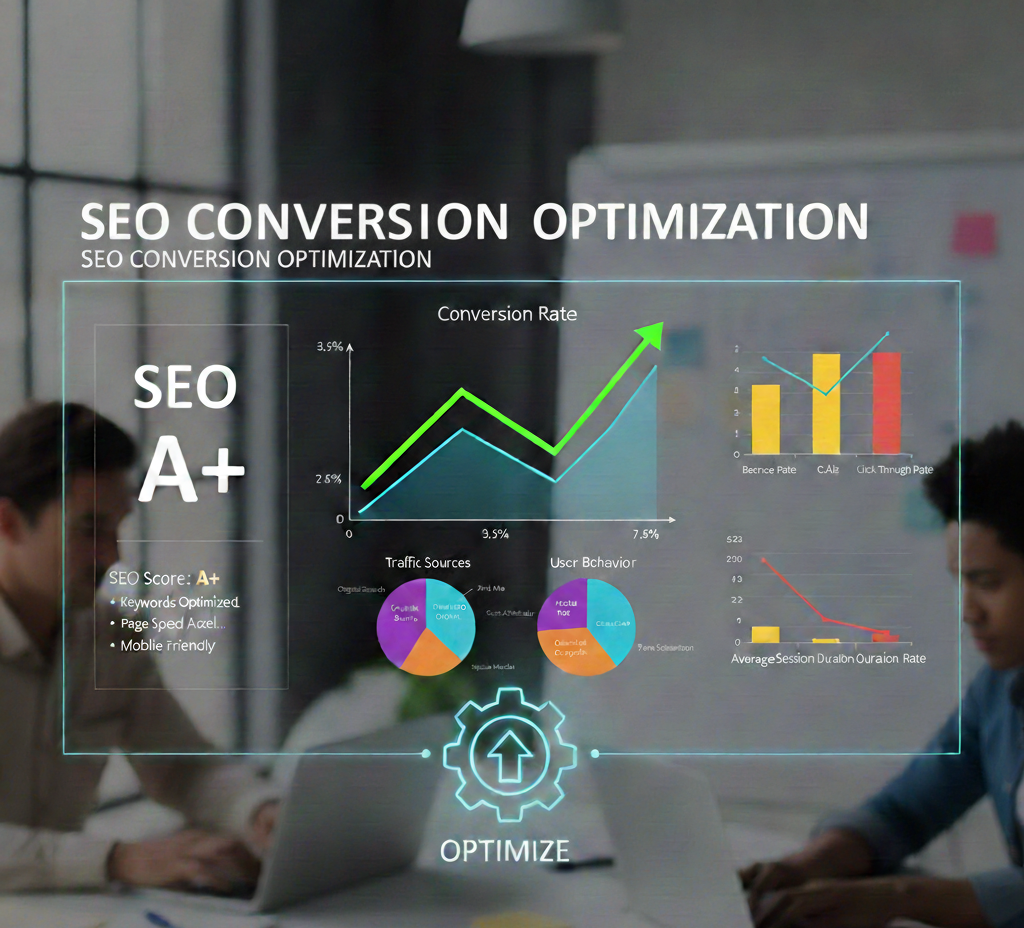
Understanding SEO Conversion Optimization and Why It Matters
SEO conversion optimization refers to the strategic alignment of search engine optimization (SEO) practices with conversion rate optimization (CRO) techniques to ensure that website traffic not only increases and also converts into measurable business outcomes such as purchases, sign-ups, or inquiries. While traditional SEO focuses on attracting visitors through search visibility, SEO conversion optimization emphasizes what happens after the visitor arrives.
According to Google’s Search Quality Evaluator Guidelines, a high-quality page must satisfy user intent, provide value and offer a positive user experience. SEO conversion optimization directly supports these principles by improving both discoverability and usability.
In practical terms, this approach ensures that a website is designed and optimized to:
- Attract the right audience through relevant keywords and content
- Guide users smoothly through the buyer journey
- Reduce friction that prevents users from completing desired actions
Key Differences Between SEO, CRO and SEO Conversion Optimization
| Component | Primary Focus | Key Metrics | Typical Outcome |
|---|---|---|---|
| SEO | Increasing organic visibility | Rankings, impressions, organic traffic | More website visitors |
| CRO | Improving on-site conversions | Conversion rate, bounce rate, form submissions | More actions from existing visitors |
| SEO Conversion Optimization | Aligning traffic quality with conversion intent | Organic conversion rate, revenue per visitor | More customers from organic traffic |
SEO conversion optimization bridges the gap between traffic acquisition and revenue generation, ensuring that marketing efforts contribute directly to business growth.
Search Intent Optimization as the Foundation for Conversions
Search intent describes the reason behind a user’s query. Understanding and optimizing for intent is critical for SEO conversion optimization, as mismatched intent leads to high bounce rates and low conversions.
Search intent is generally categorized into:
- Informational: Users seeking knowledge or answers
- Navigational: Users looking for a specific website or brand
- Transactional: Users ready to make a purchase or complete an action
- Commercial Investigation: Users comparing options before deciding
For example, during a consulting project for an e-commerce retailer, targeting high-volume informational keywords drove traffic but resulted in minimal sales. After shifting focus to transactional and commercial investigation keywords, organic revenue increased by over 30% within three months. This demonstrated that aligning content with intent is often more valuable than chasing traffic volume.
On-Page SEO Elements That Directly Influence Conversions
On-page SEO plays a critical role in guiding visitors toward conversion points. Several elements directly affect user behavior and decision-making:
- Title tags and meta descriptions
- These set expectations before a user clicks and influence click-through rates from search results.
- Content structure
- Clear headings, concise paragraphs and scannable layouts improve readability and engagement.
- Internal linking
- Strategically placed links guide users to high-conversion pages such as product or service pages.
- Calls to action (CTAs)
- CTAs must align with the page’s intent and be visible without disrupting the user experience.
HubSpot research consistently shows that clear CTAs can increase conversions by over 120%, reinforcing the importance of intentional on-page optimization.
User Experience (UX) as a Conversion Multiplier
User experience is a confirmed ranking factor according to Google’s Core Web Vitals framework. SEO conversion optimization relies heavily on UX signals such as page speed, mobile responsiveness and usability.
Critical UX components include:
- Fast loading times to reduce abandonment
- Mobile-first design to support mobile search users
- Accessible navigation and intuitive layouts
- Readable typography and consistent design elements
In one real-world audit for a SaaS provider, improving page load times from 4. 2 seconds to under 2 seconds resulted in a 17% increase in organic conversions, without any change in traffic volume. This highlights how UX improvements amplify the value of existing SEO efforts.
Content Optimization for Trust, Authority and Action
Content quality is central to SEO conversion optimization. Search engines reward authoritative, trustworthy content, while users convert when they feel informed and confident.
High-converting SEO content typically includes:
- Clear explanations of products or services
- Evidence such as case studies, testimonials, or data
- References to credible institutions like Google, Moz, or Search Engine Journal
- Action-oriented language that guides next steps
For example, citing research from sources such as the Nielsen Norman Group on usability or Google’s own SEO Starter Guide strengthens credibility and reassures users that the data is reliable.
Technical SEO Improvements That Support Conversion Goals
Technical SEO ensures that search engines and users can access and interact with a website efficiently. While often viewed as purely technical, these optimizations have direct conversion implications.
- Secure HTTPS connections build user trust
- Clean URL structures improve clarity and click confidence
- Schema markup enhances search appearance and click-through rates
- Error-free crawling ensures users land on functional pages
An example of schema markup implementation:
 <script type="application/ld+json">
{ "@context": "https://schema. org", "@type": "Product", "name": "SEO Consulting Service", "aggregateRating": { "@type": "AggregateRating", "ratingValue": "4. 8", "reviewCount": "126" }
}
</script>
This type of enhancement can improve visibility in search results and increase qualified clicks that are more likely to convert.
Measuring and Improving Performance Through Data
SEO conversion optimization is an iterative process driven by data analysis. Tools such as Google Analytics, Google Search Console and heatmapping platforms like Hotjar provide insights into user behavior.
Key performance indicators (KPIs) to monitor include:
- Organic conversion rate
- Bounce rate by landing page
- Time on page and scroll depth
- Goal completions from organic traffic
By regularly reviewing these metrics and conducting A/B tests on headlines, CTAs. layouts, organizations can systematically improve their ability to turn visitors into customers.
Real-World Applications Across Industries
SEO conversion optimization is applicable across industries, from e-commerce and SaaS to education and professional services.
- E-commerce
- Optimizing category pages for transactional intent and simplifying checkout flows
- SaaS
- Targeting comparison keywords and improving free trial sign-up pages
- Education
- Aligning informational content with enrollment CTAs
- Professional services
- Using local SEO and trust signals to increase consultation requests
Across these sectors, the common principle remains consistent: when SEO strategies are designed with conversion outcomes in mind, traffic becomes a sustainable source of customers rather than just visitors.
Conclusion
SEO conversion optimization works best when traffic quality and user intent move in the same direction. Ranking higher is only the first step; turning that attention into action requires pages that load fast, speak clearly and guide visitors with confidence.
More Articles
10 Actionable WordPress SEO Tips for Better Site Rankings
10 Proven Tips to Improve Your Online Store for More Sales
10 Essential Shopify SEO Tips to Boost Your Online Store Traffic
How AIO Marketing is Transforming the Future of Customer Engagement
How Real-Time Data Insights Can Transform Business Decision Making

FAQs
What does SEO conversion optimization actually mean?
SEO conversion optimization is about attracting the right visitors through search engines and then improving your site so those visitors are more likely to take action, such as buying, signing up, or contacting you. It combines traffic quality with user experience and persuasion.
How is this different from regular SEO?
Regular SEO focuses on rankings and traffic volume, while SEO conversion optimization focuses on what visitors do after they arrive. The goal isn’t just more clicks and more meaningful actions from those clicks.
Can improving content really increase conversions?
Yes. Clear, relevant and intent-focused content helps visitors quickly comprehend your offer and trust it. When content answers the exact questions users searched for, they’re more likely to move forward instead of leaving.
What role does user experience play in turning visitors into customers?
User experience is critical. Fast load times, mobile-friendly design, easy navigation and clear calls-to-action reduce friction. When a site feels simple and intuitive, users are more comfortable taking the next step.
Does keyword choice affect conversion rates?
Absolutely. Keywords with strong intent, such as those showing readiness to buy or compare options, tend to convert better than broad or vague terms. Targeting the right keywords attracts visitors who are already closer to a decision.
How do on-page SEO changes help boost conversions?
On-page changes like optimized headlines, clear meta descriptions, structured content and internal linking guide users through the page. These elements set expectations in search results and keep users engaged once they land on your site.
Is SEO conversion optimization a one-time task?
No, it’s an ongoing process. Search behavior, user expectations and competition change over time. Regular testing, analysis and updates help maintain and improve conversion performance as conditions evolve.