

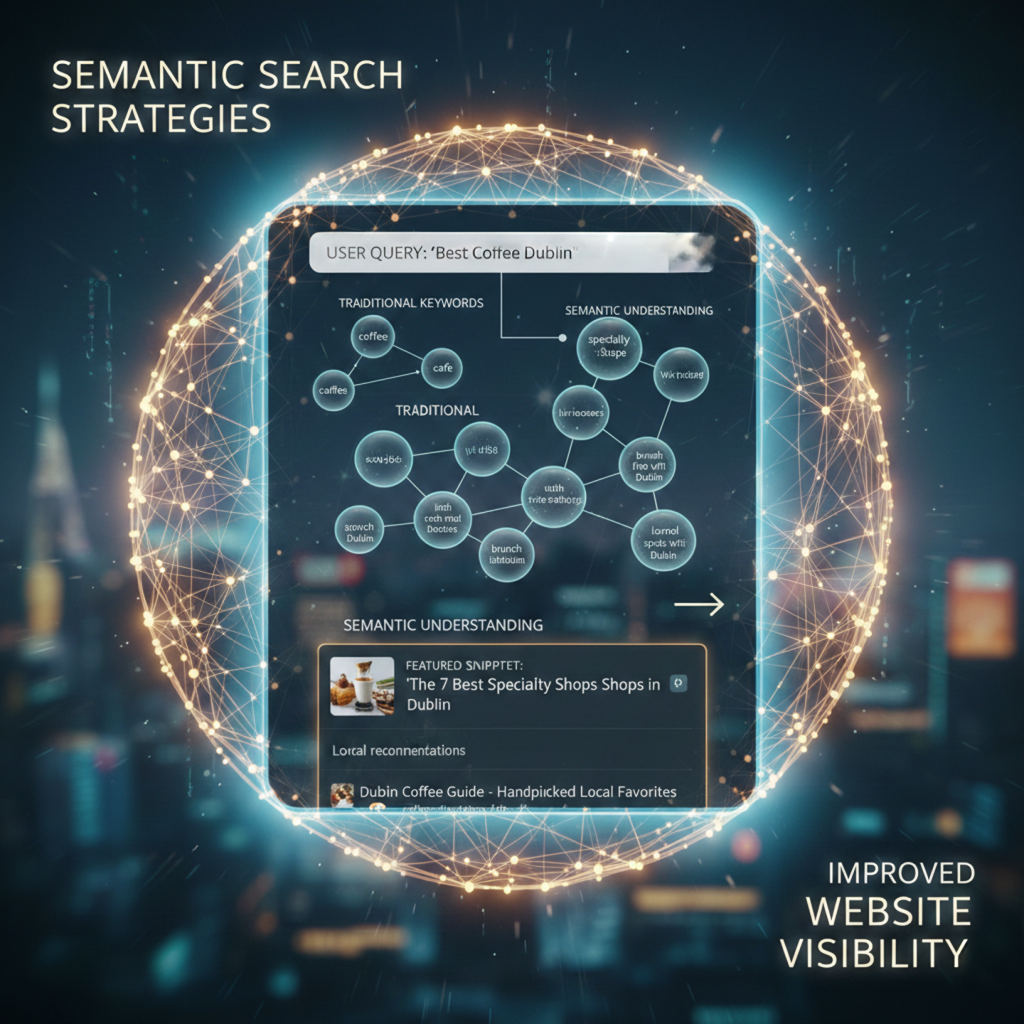

Understanding Semantic Search and Why It Matters
Search engines no longer rely purely on keyword matching. Modern systems interpret meaning, context, and relationships between concepts. Advances introduced by Google through models such as BERT and MUM allow search engines to understand what users intend rather than just what they type. This shift has fundamentally changed how content should be created and optimized.
Semantic search strategies are designed to align with this evolution. Instead of focusing on exact phrases, they emphasize user intent, topical depth, and entity relationships. Whether users search through voice, conversational queries, or AI-driven experiences like Search Generative Experience, content that reflects meaning and context performs more reliably.
What Semantic Search Actually Means
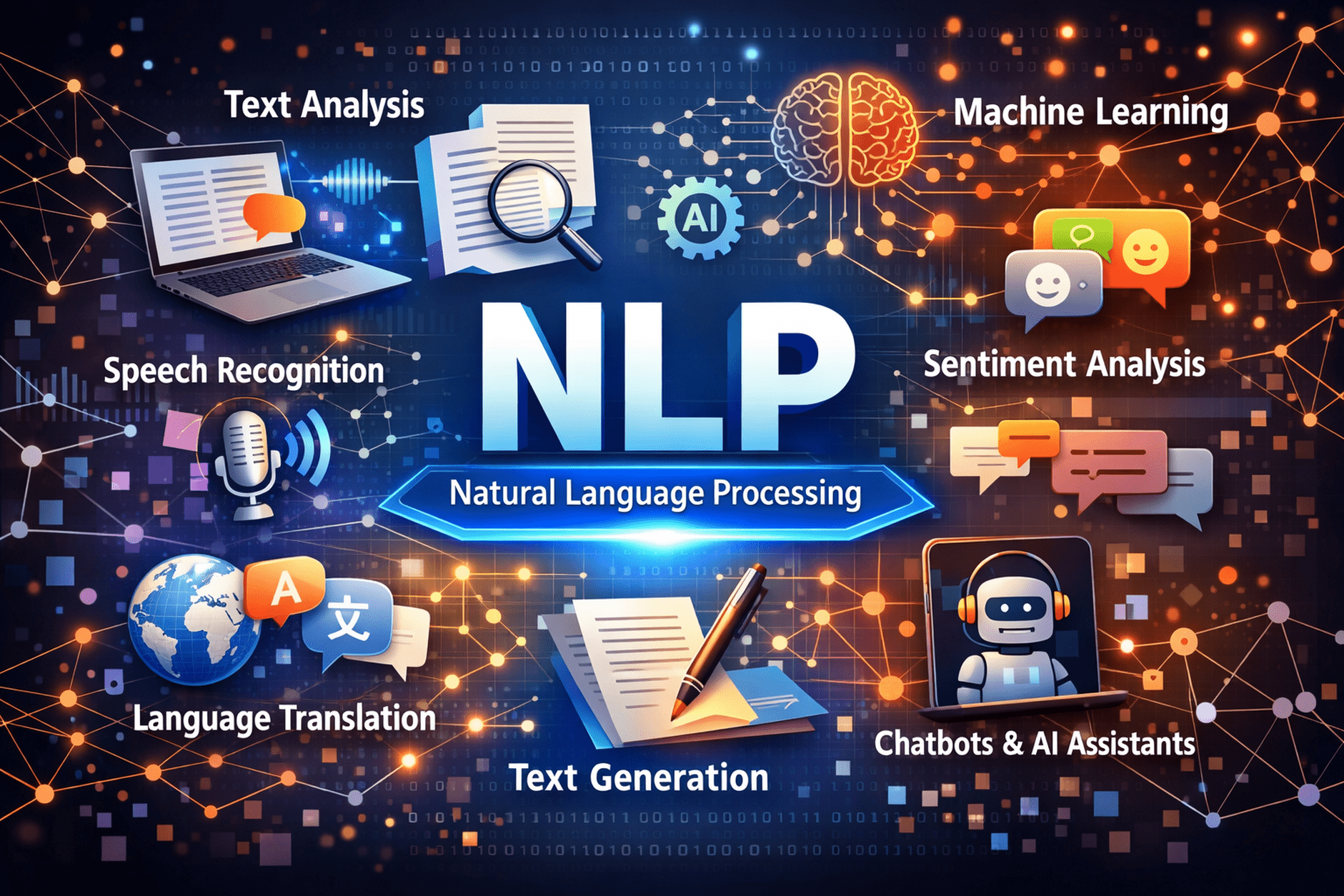
Semantic search refers to a search engine’s ability to interpret the intent and contextual meaning behind a query. Technologies such as natural language processing (NLP), machine learning, and knowledge graphs help engines evaluate how words, topics, and entities connect.
Updates rolled out by Google, including Hummingbird, RankBrain, and BERT, were specifically built to improve query interpretation. These systems help search engines process conversational language, detect nuance, and resolve ambiguity.
Core Principles of Semantic Search
Search Intent
Search engines classify queries based on purpose. A user may be seeking information, comparing options, navigating to a specific site, or preparing to make a purchase. Content aligned with intent is more likely to surface.
Contextual Relevance
Semantic algorithms understand synonyms, variations, and related concepts. Pages do not need exact-match phrases if they clearly address the underlying topic.
Entity Recognition
Entities such as products, brands, people, or locations are treated as connected data points. Content that clearly defines these entities improves interpretability.
How Search Engines Interpret Meaning
Search engines evaluate multiple layers of information to determine relevance. Keywords remain important, but they are only one signal among many. Algorithms now assess structure, relationships between topics, user engagement patterns, and semantic associations.
For example, a query like “best laptops for graphic design” implies performance attributes. Even without explicit mentions of GPU power or display accuracy, search engines infer these requirements. NLP models such as BERT analyze sentence structure and modifiers to interpret intent more precisely.
Knowledge graphs further enhance this process by mapping connections between entities. This allows engines to recognize how concepts relate within broader contexts.
Key Elements of Semantic Search Strategies
Successful semantic optimization combines several interconnected practices rather than isolated tactics.
Topic Clusters
Organizing content into clusters strengthens topical authority. A central pillar page covers a broad subject, while supporting pages explore related subtopics. This structure mirrors how search engines evaluate thematic relevance.
Entity-Based Optimization
Content should reference clearly defined entities and attributes. This improves semantic clarity and helps search engines connect pages to relevant queries.
Structured Data
Schema markup provides explicit context about content. Using vocabularies supported by Schema.org improves eligibility for enhanced search features such as rich results.
Natural Language Content
Writing should reflect how users naturally ask questions. Conversational phrasing, clear explanations, and comprehensive coverage signal relevance more effectively than keyword repetition.
Internal Linking
Strategic internal links reinforce relationships between pages. This helps search engines understand site structure and contextual connections.
Semantic Search vs Traditional Keyword SEO
Traditional SEO often centered on exact-match targeting and isolated page optimization. Semantic strategies adopt a broader and more stable approach.
Traditional keyword SEO prioritizes specific phrases. Semantic optimization prioritizes meaning and intent.
Traditional content structures tend to be fragmented. Semantic structures emphasize interconnected topic ecosystems.
Traditional rankings can fluctuate heavily. Semantic relevance tends to deliver more durable visibility.
Applying Semantic Thinking to Content Creation
Content quality plays a central role in semantic performance. Depth, clarity, and usefulness outweigh keyword density.
Effective approaches include:
Researching real user questions through Google Search Console and search result features
Developing comprehensive pillar resources
Creating supporting content addressing related concerns
Using synonyms and related terminology naturally
Expanding pages to answer likely follow-up questions
In practice, reorganizing content around intent rather than keywords often produces measurable gains. Structured topic coverage increases query diversity and user engagement.
The Role of Structured Data in Semantic Optimization
Structured data clarifies meaning for search engines. Schema markup communicates what a page represents, who created it, and what entities it discusses.
Search engines use this information to generate enhanced displays such as featured snippets and rich results. While structured data does not guarantee rankings, it improves interpretability and presentation potential.
Technical SEO Foundations That Support Semantics
Semantic relevance depends on strong technical infrastructure. Search engines must efficiently crawl, index, and interpret content.
Important considerations include:
Clear site architecture and logical URLs
Fast loading performance and mobile usability
Descriptive headings and accessible HTML structure
Consistent internal linking patterns
Without these foundations, even high-quality content may struggle to achieve visibility.
Real-World Benefits of Semantic Strategies
Semantic optimization is valuable across industries.
Healthcare publishers improve credibility by aligning with medically recognized entities and symptoms
SaaS companies enhance engagement by structuring documentation around user problems
E-commerce platforms gain broader visibility by enriching product context
Organizations frequently observe improvements in session duration, query diversity, and content discoverability after restructuring around semantic principles.
Measuring Semantic Search Performance
Evaluating effectiveness requires looking beyond rankings alone. Metrics reflecting engagement and relevance provide clearer insight.
Organic traffic growth across topic clusters
Average time on page and interaction depth
Click-through rate from search results
Expansion of Search Console query variations
Industry research from Moz and Search Engine Journal suggests that improvements in these signals often indicate stronger semantic alignment.
Common Challenges and Practical Solutions
Adopting semantic strategies may introduce transitional challenges.
Overemphasis on Keywords
Shift focus toward user intent and conceptual coverage.
Thin or Redundant Pages
Consolidate overlapping content into richer resources.
Limited Technical Implementation
Gradually introduce schema markup and structural improvements.
Semantic optimization is iterative rather than instantaneous. Incremental refinements typically deliver sustainable progress.
Tools That Support Semantic Optimization
Several widely used platforms assist with semantic research and execution.
Google Search Console for query insights and behavior signals
Ahrefs and SEMrush for topic exploration and competitive analysis
Schema.org resources for structured data frameworks
Used together, these tools provide a multi-dimensional view of content performance and topical coverage.
Conclusion
Semantic search strategies reflect how search engines now interpret language, meaning, and intent. Optimizing for topics, entities, and contextual relevance produces more stable and adaptable visibility than narrow keyword targeting.
Content that answers genuine user questions, demonstrates expertise, and maintains strong structural signals naturally aligns with modern algorithms. As search experiences increasingly incorporate AI-driven summaries and conversational interfaces, depth and clarity become even more critical.
A practical starting point is revisiting existing high-performing pages. Expanding them with related concepts, clearer intent signals, and stronger internal connections often yields faster results than constantly publishing new material.
Consistency, usefulness, and semantic coherence now define sustainable search performance.
More Articles
GEO vs SEO vs AEO Which Strategy Drives More Visibility for Modern Websites
A Practical Roadmap to Improve Visibility in AI Search Results
What Is a Content Strategy Framework and How Does It Guide Better Decisions
How Can SEO Conversion Optimization Turn More Website Visitors Into Customers
How to Boost ROI with AIO Tools for Smarter Business Decisions

FAQs
What is semantic search in simple terms?
Semantic search is how search engines try to interpret the meaning behind a query, not just the exact words typed. It looks at intent, context and relationships between concepts to deliver more relevant results.
How are semantic search strategies different from traditional SEO?
Traditional SEO often focuses on matching specific keywords, while semantic search strategies focus on topics, user intent and related ideas. Instead of repeating one phrase, content is built to fully answer a subject.
Why does semantic search matter for website visibility?
Search engines are better at recognizing helpful, in-depth content. When your site covers a topic clearly and completely, it has a higher chance of appearing for multiple related searches, not just one keyword.
What kind of content works best for semantic search?
Content that explains concepts clearly, answers common questions and uses natural language performs well. Guides, FAQs and topic-focused articles are easier for search engines to grasp in context.
Do keywords still matter with semantic search?
Yes. They matter differently. Instead of focusing on one main keyword, it helps to use related terms, synonyms and phrases that naturally fit the topic and user intent.
How can structured content help with semantic search?
Using clear headings, logical sections and concise explanations helps search engines identify key ideas. Well-structured content makes it easier to grasp what your page is really about.
Can small websites benefit from semantic search strategies?
Absolutely. Smaller sites can compete by creating focused, high-quality content that answers specific questions better than larger sites. Semantic search rewards clarity and relevance, not just size.