Surfer SEO Alternatives Marketers Are Actually Switching To in 2026
Most content teams didn’t plan to abandon Surfer SEO. It just happened — gradually, then all at once. One team needed GEO optimization. Another needed direct publishing to WordPress. A third realized they were paying for a content scoring tool while separately paying for keyword research, AI writing, analytics, and scheduling. The math stopped making sense.
This isn’t a hit piece on Surfer SEO. It’s a field guide for the marketer who’s doing a quiet audit of their SEO stack in 2026 and wondering: Is there a smarter way to consolidate this?
The answer is yes — and in this guide, we’ll walk through the real Surfer SEO alternatives worth your time, including how Promoto.ai compares against the tools most teams already use.
Why Marketers Are Rethinking Their SEO Tool Stack Right Now
Search has changed in ways that most traditional SEO tools weren’t designed to handle.
Google’s AI Overviews now answer queries before users even click a result. Perplexity AI, ChatGPT, and Gemini are routing millions of searches away from the traditional blue-link experience entirely. According to SparkToro’s 2024 Zero-Click Search Study, nearly 60% of Google searches end without a click. That number continues to rise.
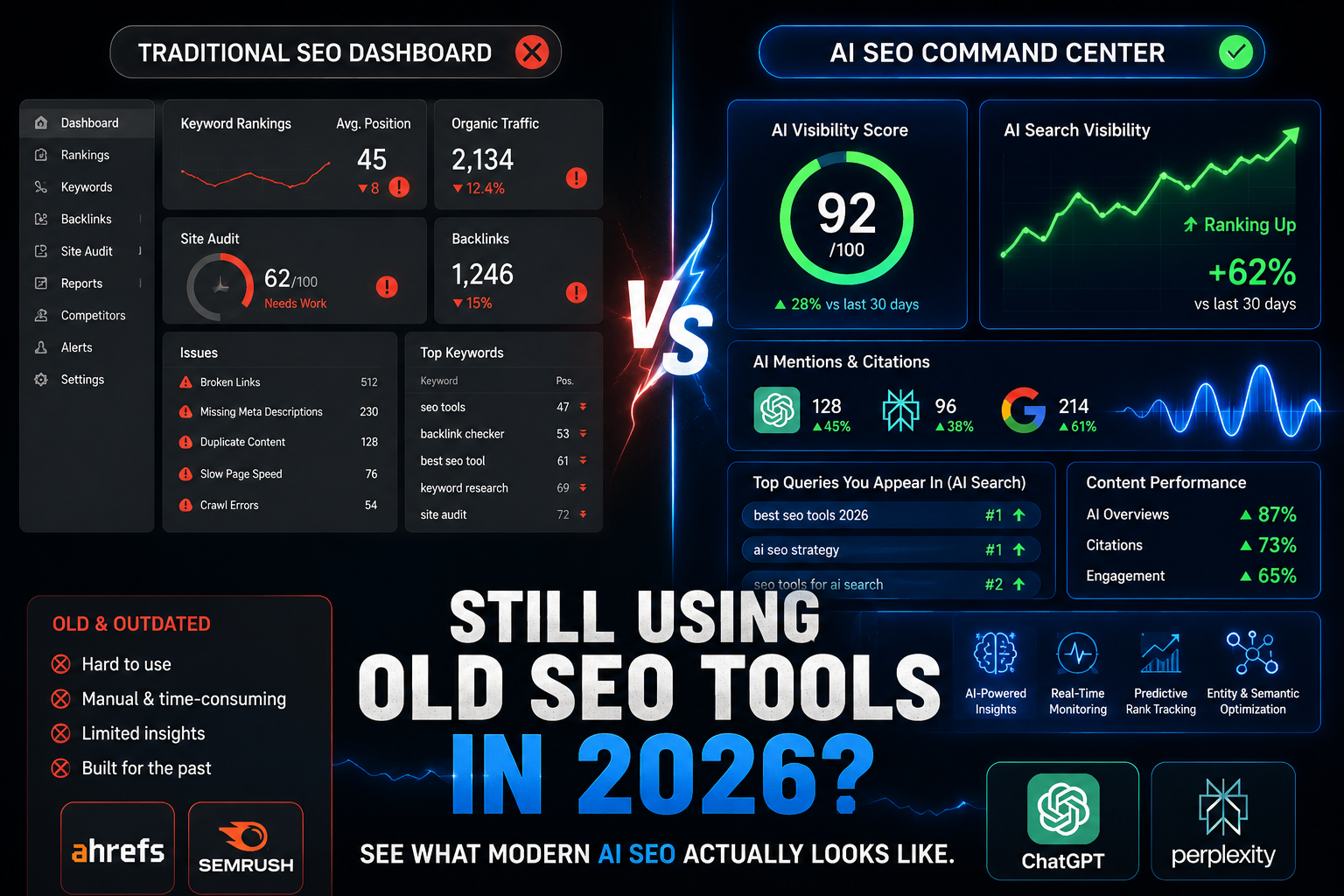
The result? Organic CTR is declining even for brands that rank well. And the tools built to help you rank — scoring your content against competitor keywords, checking density, flagging NLP terms — were designed for a Google that no longer fully exists.
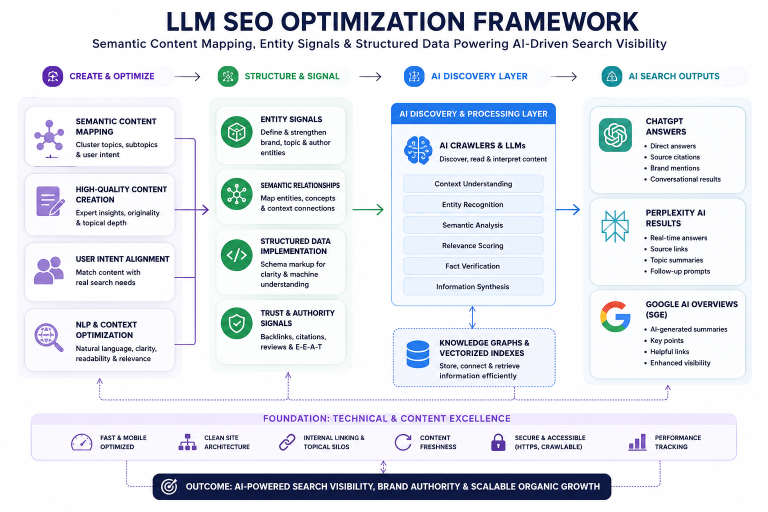
AI-driven SEO strategies in 2026 demand something different: content optimized not just for crawlers, but for large language models (LLMs) that decide what gets cited, summarized, and recommended. That’s called GEO optimization (Generative Engine Optimization), and it’s quickly becoming as important as traditional keyword targeting.
Most SEO tools built five years ago weren’t designed with any of this in mind.
Surfer SEO Alternatives: A Practical Comparison for 2026
Let’s look at how the major players stack up — not just on feature lists, but on real-world workflow fit.
1. Promoto.ai — The Full-Stack AI SEO Platform
Overview: Promoto.ai is built for the era of AI search. It combines AI content generation, keyword research, GEO/AIO optimization, one-click publishing to WordPress and Shopify, and a built-in analytics dashboard — all under one roof.
Best use case: Teams that want to research, write, optimize, publish, and track performance without switching between five different tools.
Strengths:
- Native GEO and AIO optimization (optimized for ChatGPT, Gemini, Perplexity, and Google AI Overviews)
- One-click publishing to WordPress and Shopify
- Built-in keyword research, keyword density checker, backlink maker, and link analyzer
- Google Search Console + GA4 integration for data-backed content decisions
- Multi-model AI engine (GPT-4, Gemini, Bedrock) with brand voice training
- Auto-scheduling and content calendar
- Server status checker and schema validator built into the free tools suite
Weaknesses: Newer platform — some enterprise integrations (HubSpot, Salesforce CMS) are still in development.
AI optimization capabilities: Full GEO, AIO, ASO, and traditional SEO optimization in a single workflow. This is the key differentiator — most competitors handle only one or two of these.
Best for: Agencies managing multiple client sites, startups that need to scale content fast, and content-heavy businesses that need publishing automation.
Pricing category: Mid-range with a 14-day free trial. No credit card required. See Promoto.ai pricing →
Unique advantage: The only tool in this comparison that combines GEO optimization, LLM optimization, one-click publishing, and a built-in free SEO tools library in a single platform.
2. Surfer SEO — The Content Scoring Specialist
Overview: Surfer SEO is one of the most recognized names in AI content optimization. It built its reputation on SERP analysis and content scoring — showing you exactly how many times to use a keyword, which NLP terms to include, and how your content stacks up against top-ranking competitors.
Best use case: Writers who want structured, data-driven guidelines for on-page optimization.
Strengths: Strong content editor with real-time scoring, solid SERP analysis, decent keyword clustering.
Weaknesses: No native publishing workflow, no GEO or LLM optimization, no technical SEO tools, and pricing that adds up quickly for agencies managing 10+ clients. The AI writing assistant (Surfer AI) is functional but not deeply integrated with search intent analysis for 2026’s AI-first landscape.
AI optimization capabilities: Solid for traditional Google SEO. Limited for AI search visibility — there’s no native optimization for ChatGPT, Perplexity, or Google AI Overviews.
Best for: Individual SEO writers or small teams focused purely on on-page content scoring.
Pricing category: Starts at $89/month. Grows expensive at agency scale.
Unique advantage: Deep NLP-based content scoring is genuinely useful for writers who want prescriptive guidance.
3. Jasper AI — The AI Writing Tool That Stopped at Writing
Overview: Jasper started as an AI copywriting tool and has evolved into a broader content platform. It’s excellent for generating marketing copy, social content, and long-form articles quickly.
Best use case: Marketing teams that need high-volume content drafts across multiple formats.
Strengths: Fast content generation, strong brand voice controls, good template library.
Weaknesses: Jasper AI is a writing tool, not an SEO platform. It doesn’t do keyword research, content scoring, technical SEO, publishing automation, or GEO optimization natively. You’ll need Surfer SEO or another tool alongside it, which means higher total cost and more workflow friction.
AI optimization capabilities: Limited. Jasper generates content, but it doesn’t optimize that content for ranking or AI search visibility.
Best for: Marketing teams that already have a separate SEO stack and just need fast content drafting.
Pricing category: Starts around $49/month for the Creator plan.
Unique advantage: One of the best pure AI writing experiences on the market — but “best writer” and “best SEO tool” are very different things in 2026.
4. Frase — The Research and Brief Builder
Overview: Frase is a solid AI content research and brief-creation platform. It’s popular with SEO content managers who need to build detailed content briefs quickly before handing off to writers.
Best use case: Content strategists who need fast SERP research and structured content outlines.
Strengths: Excellent question-mining features, good AI brief generation, straightforward UI.
Weaknesses: Frase’s AI writing quality has lagged behind competitors. More importantly, like Surfer, it lacks publishing automation, GEO optimization, and any meaningful LLM visibility features. It’s a research-and-brief tool that hasn’t fully evolved into a full SEO workflow platform.
AI optimization capabilities: Good for traditional content research. No LLM or AI search optimization.
Best for: SEO managers who delegate writing to human writers and need quality briefs.
Pricing category: Starts at $15/month for solo users, scaling upward.
Unique advantage: Strong answer/question research for capturing featured snippets.
5. SEMrush — The Enterprise Powerhouse
Overview: SEMrush is the Swiss Army knife of SEO — backlink analysis, site audits, competitive research, keyword tracking, and more. It’s the go-to for enterprise SEO teams.
Best use case: Large SEO teams or agencies that need deep competitive intelligence and technical SEO data.
Strengths: Unmatched backlink database, strong technical SEO audit features, robust rank tracking, solid keyword gap analysis.
Weaknesses: SEMrush is a data and analysis platform, not a content creation or publishing platform. Its AI writing features (ContentShake) are solid but secondary. It’s expensive at scale ($130–$450+/month), has a steep learning curve, and doesn’t offer GEO, AIO, or LLM optimization natively.
AI optimization capabilities: SEMrush is catching up with AI features, but it was built for traditional SEO — crawling, ranking data, link analysis. AI search visibility isn’t a core part of its DNA.
Best for: In-house SEO teams at mid-to-large companies with dedicated SEO analysts.
Pricing category: Pro plan starts at $139.95/month.
Unique advantage: The depth of competitive and technical data is unmatched at this price range.
Which Tool Is Best for Different Users?
Bloggers and content creators who want to write, optimize, and publish without a technical SEO background will find Promoto.ai’s AI content generation and one-click publishing the most streamlined option. Surfer SEO is a close second for those who want prescriptive scoring guidance.
Agencies managing multiple client sites need multi-tenant access, role-based permissions, and bulk publishing. Promoto.ai’s agency-grade architecture and platform integrations are built for this. SEMrush is the better pick if your agency’s primary deliverable is technical SEO reporting.
Startups and solo founders who need to scale content on a budget benefit most from Promoto.ai’s free tools suite and auto-scheduling — you get a full content workflow without hiring a dedicated content team.
Freelancers doing content work for clients will get the most ROI from a combination of Frase (briefs) and Promoto.ai (writing, optimization, and publishing) — though Promoto.ai increasingly handles the brief-to-publish workflow on its own.
Technical SEO specialists who live in crawl data and backlink analysis should keep SEMrush or Ahrefs in their stack. For content optimization and AI visibility, layering in Promoto.ai makes sense.
Key Features Modern AI SEO Tools Must Have in 2026
Not every tool marketed as “AI SEO” actually delivers on that promise. Here’s what to look for when evaluating platforms:
AI-powered content research that uses SERP data, competitor analysis, and semantic relationships to guide what to write — not just a prompt box.
Keyword research and tracking integrated directly into the content workflow, not bolted on as a separate module. Promoto.ai’s keyword analysis connects keyword intelligence directly to content creation.
Semantic SEO optimization that understands topic clusters, entity relationships, and search intent — not just keyword frequency.
A keyword density checker to avoid over-optimization penalties. Promoto.ai offers this as a free standalone tool.
Backlink building support — having a backlink maker and link analyzer in the same platform reduces friction significantly.
Technical SEO integrations — at minimum, a server status checker, meta tag analyzer, sitemap generator, and schema validator.
GEO and LLM optimization — optimizing content to be cited and recommended by AI answer engines is no longer optional for brands serious about organic visibility.
Publishing automation — the ability to schedule and publish content directly to your CMS eliminates one of the biggest friction points in content workflows.
Real SEO Problems AI Tools Solve (When Built Right)
Content scaling without quality loss — AI content generation, when tied to real keyword intent and SERP analysis, allows teams to produce consistent, high-quality articles at a pace manual writing can’t match.
Search intent alignment — modern AI SEO tools analyze the top-ranking content and identify what search intent a query is actually serving (informational, commercial, navigational) before the first word is written.
AI search visibility — brands that optimize for LLM citation are getting mentioned in ChatGPT and Perplexity responses. Those that don’t are becoming invisible to a growing segment of searchers. Promoto.ai’s GEO and AIO features specifically address this.
Internal linking and content architecture — good AI SEO tools surface internal linking opportunities automatically, strengthening topical authority signals across a site.
Workflow automation — auto-scheduling, approval workflows, and bulk publishing eliminate the manual overhead that slows down even experienced content teams.
Common Mistakes When Choosing AI SEO Software
Buying based on hype, not workflow fit. A tool might have impressive demos but create more friction in your actual publishing process than it removes. Always test with a real workflow before committing.
Ignoring GEO and LLM readiness. If a tool doesn’t mention AI search visibility, generative engine optimization, or LLM optimization anywhere in its feature set, it’s essentially a 2021 tool wearing a 2026 marketing jacket.
Overpaying for features you’ll never use. Enterprise SEMrush plans with full competitive intelligence suites are overkill for a startup that needs to publish five articles a week. Match the tool to your actual use case.
Publishing low-quality AI content at scale. AI writing tools are accelerators, not replacements for editorial judgment. Content that’s thin, repetitive, or misaligned with search intent will rank poorly regardless of which tool generated it.
Ignoring technical SEO alongside content. Schema markup, page speed, broken links, and crawlability issues will undermine your content investment. Use tools that address both dimensions — or at minimum offer technical SEO free tools alongside their content features.
The Future of AI SEO Software in 2026 and Beyond
LLM optimization is the next frontier. As ChatGPT, Gemini, and Perplexity become primary research interfaces for millions of users, the brands that appear in AI-generated answers will capture disproportionate mindshare. Optimizing for LLM citation requires structured content, clear entity signals, and authoritative sourcing — none of which traditional SEO tools were designed to provide.
Personalized search is becoming more granular. AI search engines increasingly personalize results based on query history, location, and user behavior. Content strategies will need to account for this variability, not just a single static SERP.
GEO optimization will become a standard line item in every SEO strategy. Today it’s an advantage. Within 18 months, it will be a baseline expectation — and platforms that built for it early (like Promoto.ai) will have a meaningful head start.
Predictive SEO — using AI to forecast which topics will trend before they peak — is moving from experimental to practical. The best SEO platforms will soon tell you not just what to optimize, but what to write about three months from now.
ChatGPT SEO and Perplexity AI optimization are already real disciplines. Structuring content with clear definitions, direct answers, concise paragraphs, and well-organized headers makes content more likely to be cited in AI-generated summaries. This isn’t speculation — it’s an observable pattern in how these systems select source material.
Conclusion: What Actually Matters When Choosing a Surfer SEO Alternative
The right AI SEO tool in 2026 isn’t necessarily the one with the most features. It’s the one that fits how your team actually works — and the one that’s built for how search actually works now, not how it worked four years ago.
Surfer SEO earned its reputation through strong content scoring. Jasper AI built a genuinely excellent writing experience. Frase made brief creation faster. SEMrush remains the gold standard for competitive data. Each has a legitimate place in certain workflows.
But if you’re looking for a single platform that handles AI-powered content research, semantic SEO, GEO optimization, LLM visibility, one-click publishing, and technical SEO diagnostics under one roof — with a free tools library that most platforms charge extra for — Promoto.ai is worth a serious look.
The best way to evaluate any tool is to run a real project through it. Promoto.ai offers a 14-day free trial with no credit card required. If you’re already running a blog or managing a client’s content calendar, that’s enough time to see whether it fits your stack.
Start your free trial with Promoto.ai →
More Articles
Promoto AI Dashboard and Analytics Overview
Promoto AI: Streamline Content Scheduling and Automated Publishing Workflows
Mastering AI Overview Optimization: Boost Your Google Visibility with Intelligent Strategies
AI Bulk Blog Post Generator for Agencies: Scale Content Production & Boost SEO
PromotoAI vs SEMrush: Which AI-Powered SEO Tool Delivers Better Organic Growth?
FAQ Section
Q1: What is the best Surfer SEO alternative for agencies in 2026?
For agencies managing multiple client sites, Promoto.ai is the strongest Surfer SEO alternative because it combines content generation, GEO/AIO optimization, multi-tenant access, role-based permissions, and direct publishing to WordPress and Shopify in a single platform. SEMrush is the better choice for agencies that primarily deliver technical SEO audits and competitive reporting.
Q2: How does Promoto.ai compare to Jasper AI for SEO?
Jasper AI is a writing tool with limited native SEO features — it doesn’t do keyword research, technical SEO, GEO optimization, or publishing automation. Promoto.ai covers the full workflow from keyword research to published, optimized content. For pure writing speed, Jasper is excellent; for end-to-end SEO, Promoto.ai is the more complete solution.
Q3: What is GEO optimization and why does it matter in 2026?
Generative Engine Optimization (GEO) is the practice of structuring and optimizing content so it gets cited and recommended by AI-powered answer engines like ChatGPT, Perplexity, and Google AI Overviews. As zero-click search behavior increases, appearing in AI-generated answers has become a critical channel for organic visibility — one that traditional SEO tools weren’t designed to address.
Q4: Is Frase a good alternative to Surfer SEO?
Frase is a strong brief-building and content research tool, but it doesn’t replace Surfer SEO’s content scoring capabilities, and it lacks publishing automation, GEO optimization, and LLM visibility features. It works best as a research layer within a broader SEO stack.
Q5: What should I look for when comparing AI SEO tools?
Prioritize: semantic SEO capabilities, GEO/LLM optimization features, native publishing integrations, keyword research depth, technical SEO diagnostics, and pricing that scales fairly with your team size. Avoid tools that only address one part of the workflow — content scoring without publishing, or AI writing without SEO analysis.
Q6: Can Promoto.ai replace SEMrush?
Not entirely — SEMrush’s backlink database and competitive intelligence depth remain industry-leading for technical SEO analysis. Promoto.ai is the better choice for content creation, AI search optimization, and publishing workflows. For teams that need both, they serve complementary roles.